

Table of Contents
- Understanding Wholesale Antique Rugs for Home Decor
- Types of Antique Rugs and Regional Origins
- How to Identify Authentic Antique Rugs
- Authentic Kilim Rugs: Characteristics and Value
- Best Practices for Antique Rug Care and Maintenance
- Pricing, Investment Appraisal, and Wholesale Options
- Styling Antique Rugs in Modern Interiors
- Ethical Sourcing and Supply Chain Transparency
Last Updated: August 24, 2026
Understanding Wholesale Antique Rugs for Home Decor
Wholesale antique rugs offer authentic, high-quality handmade textiles for residential and commercial spaces. At ABC Rugs Kilims & Jewelry, we've curated collections bridging serious collectors and homeowners seeking distinctive pieces. The wholesale market differs from retail: pricing is lower, selection deeper, and authenticity verification becomes critical when buying in volume or committing to higher-value acquisitions.
Each piece carries hand-knotted precision from artisans who spent weeks or months creating textiles designed to last generations. When you source wholesale antique rugs, you access inventory otherwise reserved for interior design firms or boutique retailers who mark up prices significantly.
Understanding the wholesale market means knowing what separates authentic pieces from reproductions, recognizing regional variations, and grasping how provenance affects value. This guide walks you through everything needed to make informed purchasing decisions.
Types of Antique Rugs and Regional Origins
Antique rug categories break down primarily by region and construction method. Each origin produces distinct aesthetic and structural characteristics affecting durability, maintenance, and design appeal.
Persian Hand-Knotted Rugs
Persian hand-knotted rugs represent the gold standard in antique textiles. Kerman rugs feature intricate floral medallion patterns with high knot density, ensuring exceptional durability. Tabriz rugs showcase geometric precision and often incorporate silk accents, creating luminous color shifts.
Artisans tie individual knots around vertical warp threads, then trim each knot to create the pile surface. Quality Persian rugs contain 200-400 knots per square inch; exceptional pieces reach 600+. This density ensures the rug withstands decades of foot traffic without significant wear.
Natural dyes distinguish authentic vintage Persian rugs from reproductions. Madder root produces reds, indigo creates blues, and pomegranate skin yields yellows and browns (si.edu). These vegetable dyes fade predictably, developing the coveted patina collectors prize. Synthetic dyes, introduced in the late 1800s, created harsher colors that don't age gracefully. When evaluating wholesale antique rugs from Persia, examine the color palette; unnaturally vivid reds or artificially bright blues indicate chemical dyes and either later production or reproduction.
ABC Rugs Kilims & Jewelry carries authenticated Persian pieces like the One Of The Kind Antique Persian Kerman Rug 13'2 x 9'9", exemplifying quality available through wholesale sourcing.

Turkish and Caucasian Kilims
Turkish kilims and Caucasian rugs represent a different construction tradition. Kilims are flatweave textiles with no pile or knots. Weavers interlace colored wools through the warp to create geometric patterns. This construction makes kilims lighter, more flexible, and significantly less expensive than hand-knotted rugs. For wholesale antique rugs destined for wall hangings, layering, or low-traffic spaces, kilims offer exceptional value.
Caucasian rugs combine hand-knotted construction with bold geometric designs and saturated colors. These rugs typically feature smaller dimensions than Persian pieces and showcase tribal motifs, stars, and diamonds. Understanding these distinctions matters when sourcing wholesale antique rugs: kilims suit different applications than knotted rugs.
How to Identify Authentic Antique Rugs
Distinguishing authentic hand-knotted antique rugs from quality reproductions requires examining specific structural and material markers.
Examining Hand-Knotted Construction
The back of the rug tells the true story. Flip an authentic hand-knotted rug over and you'll see thousands of individual knots. The pattern on the back mirrors the front because the design is created by the knot structure itself, not printed or painted onto the surface. This is the most reliable authentication method.
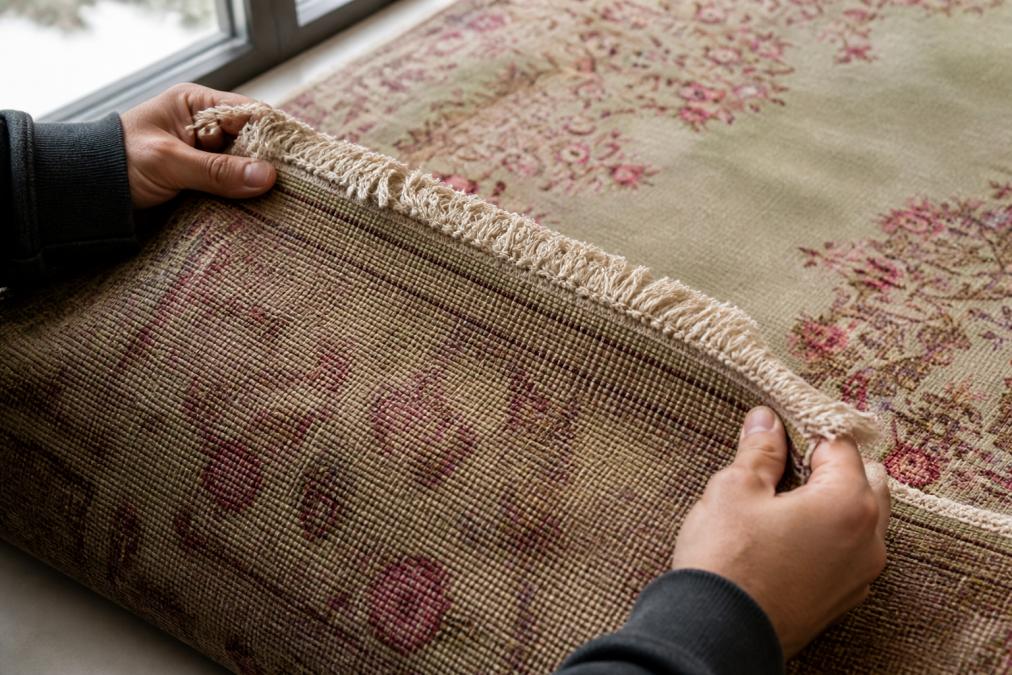
Run your fingers across the knots. Authentic hand-knotted rugs have irregular knot spacing; human hands create variation. Machine-made rugs display uniform, perfectly consistent knots. Check the fringe, on authentic antique rugs, the fringe is an extension of the warp threads, not glued or attached separately.
Verifying Natural Dyes and Materials
Authentic antique rugs use wool, silk, or cotton, never synthetic fibers. Under natural light, examine color consistency. Natural dyes create subtle variations across the rug because dye lots varied and hand-dyeing isn't perfectly uniform. Synthetic dyes produce uniform color saturation and don't age naturally.
Authentic wool carries a subtle lanolin scent, especially on older rugs. When sourcing wholesale antique rugs, request documentation about dye type if available. Reputable dealers provide this information because it affects both authenticity and value.
Authentic Kilim Rugs: Characteristics and Value
Kilim rugs occupy a distinct category within wholesale antique rugs. Authentic kilim rugs are entirely hand-woven using a technique where colored wools interlace through stationary warp threads. The resulting textile is flat, with no pile or knots, creating bold geometric patterns, diamonds, stars, stripes, and abstract forms.
The back of an authentic kilim looks nearly identical to the front because the pattern is created by the weaving structure itself. Examine the edges; authentic kilims have selvage edges rather than machine-finished hems. The fringe should be an extension of the warp threads.

Kilim value depends on age, provenance, condition, and pattern rarity. A 19th-century kilim in excellent condition commands significantly higher wholesale pricing than a 1970s reproduction. Dye type matters; vegetable-dyed kilims appreciate as they age, while synthetic-dyed pieces depreciate. Regional kilims carry distinct characteristics affecting both aesthetic and investment value.
Best Practices for Antique Rug Care and Maintenance
Proper care extends the life of wholesale antique rugs dramatically. These textiles are investments, and maintenance directly impacts longevity and value.
Cleaning Methods for Vintage Textiles
Regular vacuuming prevents dirt from embedding in the pile. Use low-suction vacuum with brush attachment, never the beater bar, which can damage delicate fibers. Vacuum in the direction of the pile nap and avoid the fringe. artistic statement pieces.
For spot cleaning, use cool water and mild soap. Test any solution on an inconspicuous corner first; natural dyes can run if exposed to hot water or harsh chemicals. Blot stains rather than rubbing. Professional cleaning should happen every 3-5 years for high-traffic areas, less frequently for low-traffic spaces.
Restoration vs. Repair: What You Need to Know
Repair addresses damage, holes, tears, worn edges, extending functional life without altering character. Restoration attempts to return a rug to its original appearance, which may involve re-dyeing faded areas or reweaving damaged sections.
Repair is straightforward and reversible; a qualified textile conservator patches holes or reinforces worn areas. Restoration is more invasive and controversial among collectors. Re-dyeing a faded rug changes its authentic patina. Many collectors prefer rugs showing their age honestly rather than heavily restored pieces.
When evaluating wholesale antique rugs, ask about restoration history. A rug with minor repairs and honest wear often holds more value than one heavily restored.
Pricing, Investment Appraisal, and Wholesale Options
Understanding pricing structures and value drivers is essential when sourcing wholesale antique rugs for resale or collection.
Determining Rug Value and Quality Factors
Knot density directly correlates with durability and value. A rug with 300+ knots per square inch will outlast one with 100 knots per square inch. Age matters, but not always as expected. Condition, rarity, provenance, and design quality matter more than age alone.
Provenance, the documented history of ownership, significantly affects value. A rug with clear documentation showing it belonged to a notable collector or was featured in a museum exhibition carries premium pricing. Size affects pricing substantially; large rugs are rarer and more valuable per square foot than smaller pieces. Rarity of pattern influences value; rare designs command premiums.
Wholesale vs. Retail: Understanding the Difference
Retail pricing typically includes 40-60% markup over wholesale cost. When you buy wholesale antique rugs directly from importers or established dealers with wholesale programs, you're paying closer to actual acquisition cost plus modest overhead.
Wholesale buyers typically commit to minimum purchases, either a specific dollar amount or minimum number of pieces. Volume discounts apply; buying 10 rugs costs less per piece than buying one. The trade-off is limited selection compared to retail, though this often works in your favor.
ABC Rugs Kilims & Jewelry serves both wholesale and retail customers. Our wholesale antique rugs inventory includes pieces like the One Of The Kind Persian Tabriz Rug 12'9" x 9'6", available at wholesale pricing for qualified buyers purchasing multiple pieces or larger orders.
Styling Antique Rugs in Modern Interiors
Wholesale antique rugs don't require period-accurate interiors. These textiles adapt surprisingly well to contemporary design schemes.
Rug Placement and Room Sizing Guide
Rug size should relate to furniture placement, not room size. In a living room, the rug should anchor the seating arrangement. Ideally, at least the front legs of major furniture pieces sit on the rug.
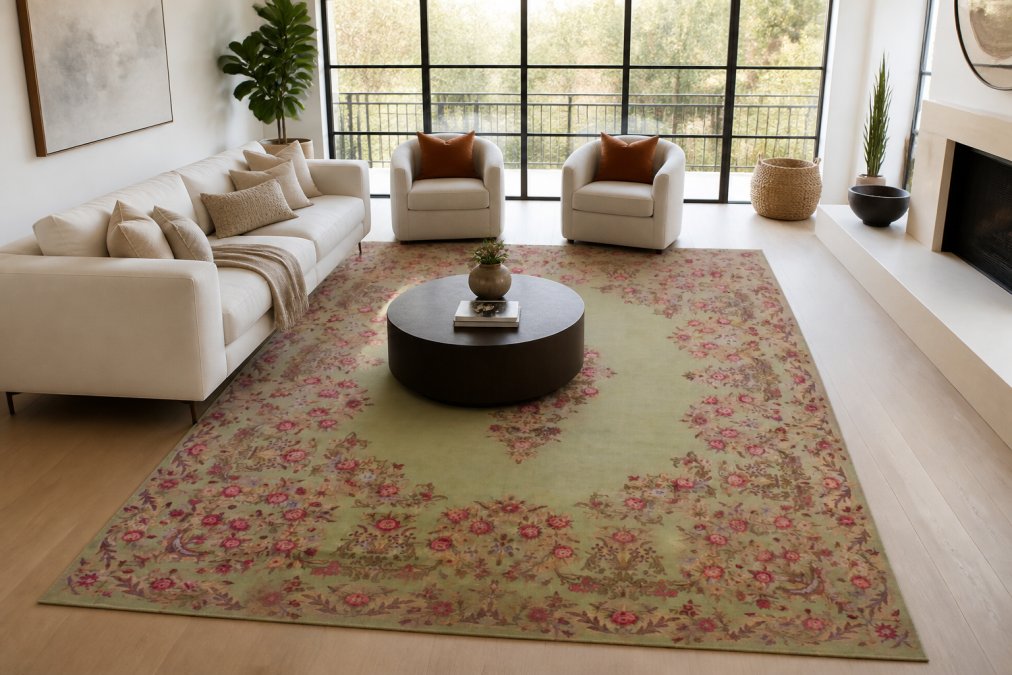
For entryways, a 3x5 or 4x6 foot rug works well. In bedrooms, a rug at the foot of the bed or flanking both sides creates visual interest. Layering rugs creates visual depth; place a smaller, patterned antique rug over a larger neutral rug to define a specific zone.
Color coordination doesn't require matching. Complementary colors work beautifully. Pattern mixing is acceptable when you balance scale and saturation. Lighting affects how antique rugs appear; natural daylight reveals true colors and texture.
Ethical Sourcing and Supply Chain Transparency
The wholesale antique rugs market has a complicated history. Legitimate dealers maintain documentation of their sourcing and can trace pieces back to previous owners or known dealers. This provenance documentation protects you legally and ethically.
Red flags include dealers unwilling to provide sourcing information, suspiciously low pricing inconsistent with quality, or vague claims about "estate finds" without specifics. Restoration practices raise ethical questions too; some dealers heavily restore rugs to appear newer, misrepresenting authenticity.
ABC Rugs Kilims & Jewelry prioritizes transparency about sourcing and condition. Our reviewed and trusted status reflects commitment to providing accurate information about every piece's origins, condition, and any restoration work performed. The wholesale antique rugs market has evolved toward greater accountability, with serious collectors and design professionals increasingly expecting documentation and transparency.
Sourcing wholesale antique rugs requires balancing authenticity verification, aesthetic preferences, and investment considerations. ABC Rugs Kilims & Jewelry offers a curated collection of authenticated antique and vintage rugs with documented provenance and transparent pricing. Whether you're sourcing for a single statement piece or building wholesale inventory, our team provides the expertise and selection to find exactly what you're looking for. Explore our collection of hand-knotted Persian rugs, authentic kilims, and vintage treasures to discover pieces that elevate your space with timeless artistry and proven craftsmanship.
Frequently Asked Questions
How can I verify that wholesale antique rugs are authentic and not reproductions?
Authentic hand-knotted antique rugs show specific markers: irregular knot patterns, natural dye variations, and visible wear consistent with age. Check the back for hand-tied knots and examine the fringe, authentic pieces have fringes that are integral to the weave, not sewn on. Ask sellers for provenance documentation and authentication certificates. Reputable dealers provide detailed photos of the knot structure, pile height, and any restoration work. ABC Rugs Kilims provides transparent documentation with every purchase.
What is the difference between antique and vintage rugs, and does it affect pricing?
Antique rugs are typically over 100 years old, while vintage rugs range from 20 to 100 years old. Antique pieces command higher prices due to rarity, historical significance, and established provenance. Vintage rugs offer authentic hand-knotted craftsmanship and patina at lower price points. Both feature natural dyes, vegetable dyes, and hand-woven construction. The distinction matters for collectors seeking investment-grade pieces versus homeowners wanting authentic character. ABC Rugs Kilims offers both categories, with antique Persian pieces like the One Of The Kind Antique Persian Kerman Rug (13'2 x 9'9") priced at $19,216, while vintage options start lower.
What are the best practices for maintaining and cleaning antique rugs?
Vacuum regularly with a low-suction setting and never use a beater bar. Rotate the rug quarterly to ensure even wear. For spills, blot immediately with a clean cloth, avoid rubbing. Professional cleaning every 3-5 years is recommended for high-traffic areas. Never use harsh chemicals or bleach on natural dyes. For vintage textiles, consult a textile conservator before attempting deep cleaning. Rug pads protect the foundation and prevent slipping. Store seasonal rugs in climate-controlled spaces away from direct sunlight to preserve colors and prevent fading. ABC Rugs Kilims provides care guidance with each purchase.
Are wholesale antique rugs a good investment for home decor and resale value?
Hand-knotted antique rugs with documented provenance appreciate over time, especially rare regional pieces like Persian Tabriz or Turkish kilims. Investment potential depends on condition, rarity, and authentication. Vintage rugs offer immediate design impact and authenticity without the premium pricing of older antiques. For interior designers and boutique retailers, wholesale purchasing from trusted sources like ABC Rugs Kilims provides inventory with built-in margin potential while offering clients genuine heirloom-quality pieces.
This article was written using GrandRanker


