

Table of Contents
- What Sets Nomadic Vintage Rugs Apart
- Authentic Kilim Rugs: Identifying Real Handwoven Pieces
- Vintage vs Antique Persian Rugs: Key Differences Explained
- Pricing and Value: Why Nomadic Vintage Rugs Cost What They Do
- Handwoven Nomadic Rug Care: Maintenance and Preservation
- Sustainability and Ethical Sourcing in Rug Selection
- Styling Nomadic Vintage Rugs in Modern Interiors
- Conclusion
What Sets Nomadic Vintage Rugs Apart
Nomadic vintage rugs represent handwoven textiles created by semi-nomadic and tribal communities across Central Asia, the Middle East, and North Africa. Unlike mass-produced alternatives or factory-made "vintage-style" pieces, authentic nomadic vintage rugs are one-of-a-kind creations made from natural fibers using traditional weaving techniques passed down through generations. Each knot tells a story, the geometric motifs, color choices, and weaving patterns reflect the weaver's cultural heritage and the natural dyes available in their region.
The real differentiator is that these rugs were created with intention and skill in an era before industrial shortcuts. Hand-spun wool, vegetable dyes, and weft-and-warp construction methods mean these textiles develop character over time. A genuine nomadic vintage rug from the 1960s or 1970s will show patina and subtle color shifts that actually increase its appeal to collectors and designers, that's evidence of authenticity, not damage.
At ABC Rugs Kilims & Jewelry, we focus on sourcing pieces that meet rigorous authenticity standards. Our curated collection includes hand-knotted Persian pieces, tribal kilims, and nomadic textiles verified for their construction methods, fiber quality, and regional origin. When comparing nomadic vintage rugs, the question isn't just "Is it old?" but "Can I trust where it came from and how it was made?"

Authentic Kilim Rugs: Identifying Real Handwoven Pieces
A genuine authentic kilim rug is a flatwoven textile created without a pile, using interlocking weft and warp threads to form the design. This construction method distinguishes kilims from knotted rugs and makes them lighter, more flexible, and often more affordable, though quality kilims command premium prices among collectors.
The challenge is that the term "authentic kilim" gets misused constantly. Machine-made kilim-patterned rugs are marketed as "authentic" because they copy the visual design without replicating the actual weaving process. Real kilims require a weaver to manually interlock threads row by row, which takes weeks or months depending on size and complexity. That labor-intensive process is exactly what makes authentic kilim rugs valuable.
Here's what to look for when evaluating authentic kilim rugs:
- Knot density and irregularity: Handwoven kilims show slight variations in pattern repetition. Perfect uniformity indicates machine-made construction.
- Fiber quality: Authentic kilim rugs use hand-spun wool or silk. Genuine pieces feel textured and slightly uneven, not smooth and uniform.
- Dye consistency: Natural vegetable dyes create color variation across authentic kilim rugs. Machine dyes produce uniform, identical hues throughout.
- Edge finishing: Handwoven kilims have irregular, slightly thickened edges. Machine-made pieces have perfectly straight, uniform edges.
- Weight and flexibility: Authentic kilim rugs are lightweight for their size because they lack a pile. They fold and drape naturally without cracking.
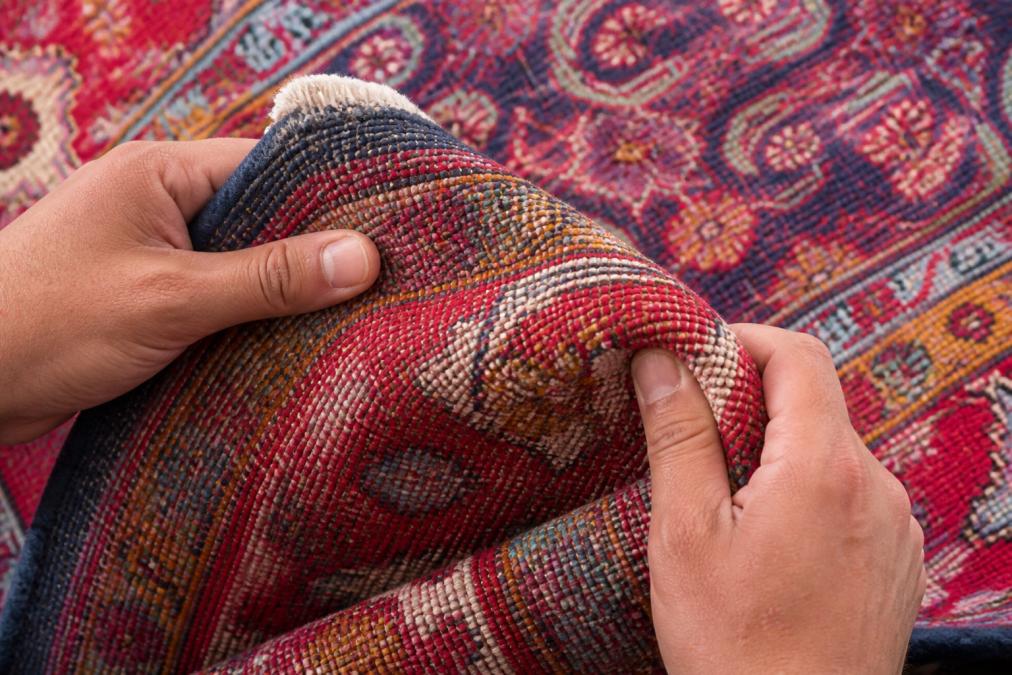
A common mistake is assuming that age automatically equals authenticity. A rug can be fifty years old and still be factory-made. When sourcing authentic kilim rugs, focus on construction method first, age second.
Vintage vs Antique Persian Rugs: Key Differences Explained
The distinction between vintage vs antique Persian rugs matters legally, financially, and aesthetically.
Antique Persian rugs are classified as pieces created before 1900 (cbp.gov). These are rare, expensive, and subject to different import regulations in many markets. An authentic antique Persian rug from the 1800s represents a significant investment and cultural artifact.
Vintage Persian rugs are typically defined as pieces created between 1920 and 1980. Vintage pieces are more accessible in price, more readily available, and often more practical for contemporary interiors because they're less fragile than true antiques.
| Characteristic | Antique Persian Rugs | Vintage Persian Rugs |
|---|---|---|
| Age | Pre-1900 | 1920-1980 |
| Price Range | $5,000-$50,000+ | $1,500-$8,000 |
| Rarity | Extremely rare | More available |
| Condition | Often requires restoration | Generally good condition |
| Dye Type | Natural vegetable dyes | Natural or early synthetic dyes |
| Best Use | Collector/investment | Home decor + investment |
Consider your actual use case. Antique pieces require climate control and minimal foot traffic. Vintage nomadic vintage rugs work beautifully in lived-in spaces while still appreciating in value. The construction quality of vintage Persian rugs from the mid-20th century is often exceptional, with weavers maintaining traditional methods while benefiting from improved tools and more reliable dye sources.
Pricing and Value: Why Nomadic Vintage Rugs Cost What They Do
Pricing for nomadic vintage rugs varies dramatically based on several key factors.
Size and knot density: A 6x9 foot hand-knotted nomadic vintage rug with 150 knots per square inch required roughly 800-1,200 hours of labor to create (peer-reviewed research). That's 20-30 weeks of work for a single weaver. Larger pieces or higher knot densities multiply the labor investment. At ABC Rugs Kilims & Jewelry, our curated hand-knotted Persian wool rug (10'7" x 7') reflects both the original weaver's investment and the authentication work required to verify its authenticity.
Fiber quality: Hand-spun wool and silk command premium prices because they're labor-intensive to produce and dramatically more durable than synthetic alternatives. A nomadic vintage rug made from hand-spun wool develops a natural sheen over decades that machine-spun fibers never achieve. Silk accents increase value significantly.
Regional origin and tribal attribution: Nomadic vintage rugs from specific regions carry different valuations. Rugs with clear tribal attribution and documented provenance command premiums because collectors value the cultural and historical specificity.
Condition and patina: A nomadic vintage rug showing natural wear, color variation, and patina is often MORE valuable than a piece that looks artificially "restored." Collectors recognize authentic aging as proof of genuine age and use. Heavy staining reduces value, but normal wear patterns actually increase authenticity markers.
Rarity and design complexity: Nomadic vintage rugs with unusual color combinations or complex geometric patterns command higher prices. A simple geometric kilim might price at $800-$1,500. A rare nomadic vintage rug with intricate symbolic motifs could reach $3,000-$6,000 or more.
When you compare nomadic vintage rugs across retailers, significant price variations often reflect differences in authentication rigor and curation standards rather than actual quality differences.
Handwoven Nomadic Rug Care: Maintenance and Preservation
Proper maintenance preserves value and ensures the rug remains beautiful for decades.
Use a vacuum without a beater bar, or vacuum only the perimeter and use a handheld brush on the pile itself. Beater bars can damage hand-knotted fibers. Vacuum weekly in high-traffic areas, monthly in low-traffic spaces. artisan marketplaces comparison.
Rotate your nomadic vintage rug 180 degrees every 6-12 months to distribute wear evenly and prevent one section from fading faster due to sun exposure.
For spot cleaning, blot fresh spills immediately with a clean, white cloth. Don't rub. For dried stains, use cool water with minimal wool-specific detergent. Test any cleaning solution on an inconspicuous corner first, as many nomadic vintage rugs use vegetable dyes that can bleed if exposed to harsh chemicals or hot water.
Professional cleaning every 3-5 years extends the life of handwoven nomadic rug care significantly. Professional cleaners can also identify potential issues like loose knots or fraying edges before they become serious problems.
Sun exposure fades natural dyes over time. If your rug is in a sunny room, use curtains or UV-blocking window treatments to minimize fading.
For storage, roll the rug (never fold) with acid-free paper inside. Store in a cool, dry location away from direct sunlight, moisture, and pests. Cedar blocks or lavender sachets can deter moths, but ensure they don't come into direct contact with the fibers.
Sustainability and Ethical Sourcing in Rug Selection
Choosing nomadic vintage rugs over new production is inherently a sustainable decision. You're extending the life of an existing textile rather than generating demand for new manufacturing.
Authentic nomadic vintage rugs represent a business model that supported artisan communities for centuries. Weavers, predominantly women, earned income by creating textiles using techniques that required no industrial infrastructure, no electricity, and no synthetic chemicals. The natural dyes came from plants and minerals available locally.
This model has largely disappeared. Most contemporary rug production relies on synthetic dyes, industrial looms, and wage labor in factories. When you purchase nomadic vintage rugs, you're choosing a product created under fundamentally different conditions, conditions that were more sustainable and more ethical.
However, not all vintage rugs are equally ethical. Some have unclear provenance histories. The sourcing practices of retailers matter enormously.
ABC Rugs Kilims & Jewelry prioritizes authenticity verification and transparent sourcing. Our curated collection includes pieces with documented histories and clear regional attribution.
When evaluating nomadic vintage rugs for sustainability and ethical sourcing, ask:
- Can the retailer document the rug's origin and history?
- Are they transparent about how they source pieces?
- Do they work with communities or artisans directly?
- Are they honest about any restoration or repairs?
- Do they provide care guidance to extend the rug's useful life?
Retailers that invest in transparency typically price accordingly. Their higher pricing reflects genuine commitment to ethical practices rather than marketing spin.
Styling Nomadic Vintage Rugs in Modern Interiors
Nomadic vintage rugs work beautifully in contemporary spaces precisely because they're not designed for any single aesthetic. A tribal kilim, a Persian nomadic piece, or a Moroccan rug brings authentic cultural design into your home without requiring you to commit to a specific decorative style.
The key to styling nomadic vintage rugs in modern interiors is understanding texture, color complexity, and visual weight.
Texture creates visual interest. Nomadic vintage rugs have natural texture from hand-spun fibers and hand-knotted construction. Place a nomadic vintage rug on light wood flooring or concrete to create contrast. The textural difference makes both elements more visually prominent.
Color complexity anchors the room. Most nomadic vintage rugs feature multiple colors woven together. Build your palette around the rug's dominant and accent colors rather than trying to match everything exactly. If your rug features deep reds, warm golds, and cream, use these as your starting point.
Visual weight determines furniture scale. A large nomadic vintage rug (8x10 or bigger) anchors a living room and justifies larger furniture pieces. A smaller rug (4x6) works better under a seating area or in a bedroom.
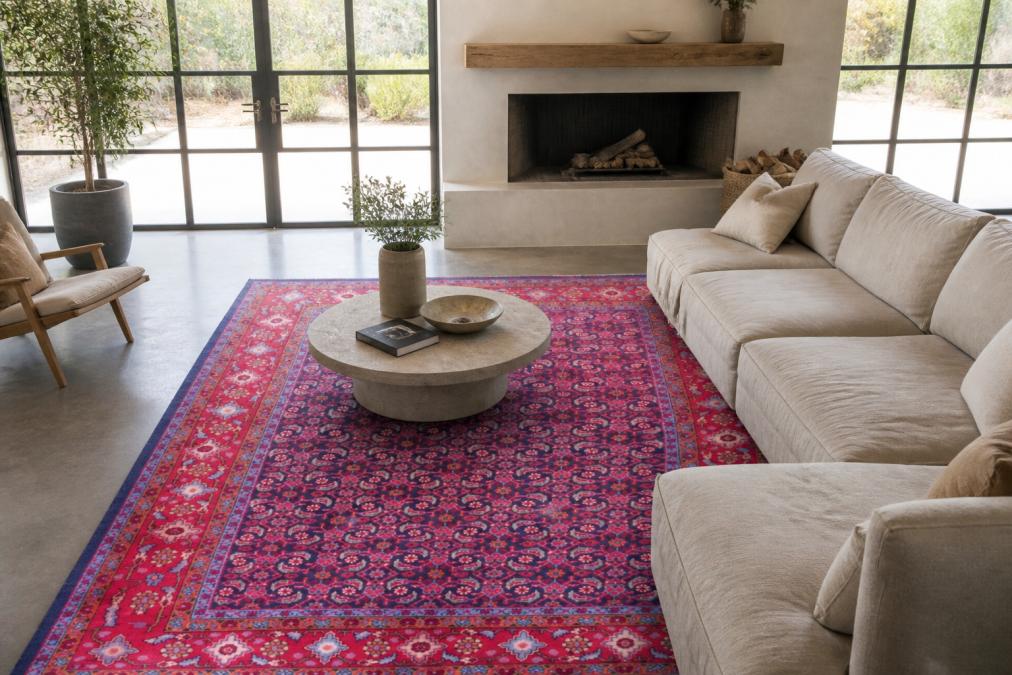
Layering nomadic vintage rugs creates visual sophistication. Place a smaller rug on top of a larger neutral rug to create dimension and draw attention to the nomadic piece's design details.
The most successful contemporary interiors featuring nomadic pieces embrace contrast. Pair a traditional kilim with mid-century modern furniture. Layer a tribal rug under industrial metal shelving. The juxtaposition of old and new creates visual tension that feels intentional and curated.
Selecting nomadic vintage rugs means choosing pieces with genuine history, authentic craftsmanship, and lasting value. The comparison between nomadic vintage rugs and mass-produced alternatives is a choice between something made with intention and something manufactured for convenience.
At ABC Rugs Kilims & Jewelry, we've curated a collection of authentic hand-knotted pieces that meet rigorous standards for quality and provenance. Our hand-knotted Persian wool rug (10'7" x 7') represents the kind of authentic nomadic vintage rug that becomes more beautiful with age while maintaining its investment value. Explore pieces that match your space, your budget, and your commitment to owning something genuinely exceptional.
Frequently Asked Questions
Q: How do I verify that a nomadic vintage rug is actually authentic and handwoven?
A: Authentic handwoven nomadic vintage rugs show specific markers: irregular knot density, natural dye variations, and visible weft and warp on the back. Check for hand-spun wool texture. Ask sellers for provenance documentation and textile history. Legitimate dealers like ABC Rugs Kilims provide detailed authenticity verification for each piece in their collection.
Q: What's the difference between vintage and antique Persian rugs?
A: Vintage rugs are typically 20-50 years old, while antique pieces are over 100 years old. Antique rugs command higher prices due to rarity and historical significance. Vintage rugs often show character through wear and patina while remaining functional. Both vintage vs antique Persian rugs feature hand-knotted construction and natural dyes, but antique pieces carry greater investment value and cultural heritage weight.
Q: Are nomadic vintage rugs worth the investment for home decor?
A: Yes, nomadic vintage rugs serve as both functional floor coverings and investment pieces. They appreciate over time, especially pieces with documented provenance and excellent condition. Hand-knotted construction ensures durability lasting decades. Unlike mass-produced alternatives, these one-of-a-kind textiles add authentic artisan-made character to any space while offering genuine long-term value retention.
Q: How should I care for handwoven nomadic rugs to preserve them?
A: Handwoven nomadic rug care requires gentle handling: vacuum with low suction, rotate quarterly to ensure even wear, and avoid direct sunlight to prevent natural dye fading. Address spills immediately with cold water and mild soap. Professional cleaning every 3-5 years maintains the pile and extends life. Store in cool, dry conditions with acid-free tissue. Never use harsh chemicals or high heat, as these damage wool fibers and vegetable dyes.
This article was written using GrandRanker


