

Table of Contents
- Why Furniture Leaves Indentations on Antique Rugs
- Using Rug Pads for Antique Rugs to Distribute Weight
- Placing Furniture Coasters for Rugs Under Legs
- Moving Furniture to Prevent Rug Dents
- How to Get Furniture Indentations Out of Rugs
- A Maintenance Schedule to Protect Your Investment
- Frequently Asked Questions
Last Updated: October 12, 2026
Why Furniture Leaves Indentations on Antique Rugs
Furniture indentation antique rugs happens because of how weight and pressure work on delicate fibers. When a heavy sofa or chair sits in one spot for months, it compresses the pile. The fibers flatten under constant pressure. Over time, they lose their ability to spring back.
Antique rugs face this problem more than newer rugs. Their fibers are older and more fragile. Wool and silk, the materials used in fine antique rugs, can recover from pressure, but only if that pressure doesn't last too long.
How Weight and Pressure Compress Pile Fibers
The pile of a rug is made of thousands of individual fibers knotted into the backing. When furniture sits on these fibers, it pushes them down.
The compression happens at the fiber level. Wool and silk fibers bend and flatten. If the weight stays in place long enough, the fibers can lose their elasticity.
The good news: this damage is often reversible if caught early. Fresh compressions respond well to moisture and heat. Older, set-in indentations take more work but can still improve.
Why Antique Rugs Are More Vulnerable
Antique rugs are more vulnerable because their fibers have already aged. A rug that's 50, 100, or 200 years old has less resilience than a new rug.
Hand-knotted antique rugs use natural fibers. Persian rugs, for example, often use wool and silk.
The backing of an antique rug can also weaken with age. A weakened backing means less support for the pile fibers.
This is why protecting antique rugs from furniture indentation antique rugs matters more than protecting newer rugs. Prevention is far easier than repair.
Using Rug Pads for Antique Rugs to Distribute Weight
The best way to prevent furniture indentation on antique rugs is to use a quality rug pad. A rug pad sits between the rug and the floor. It does three important things:
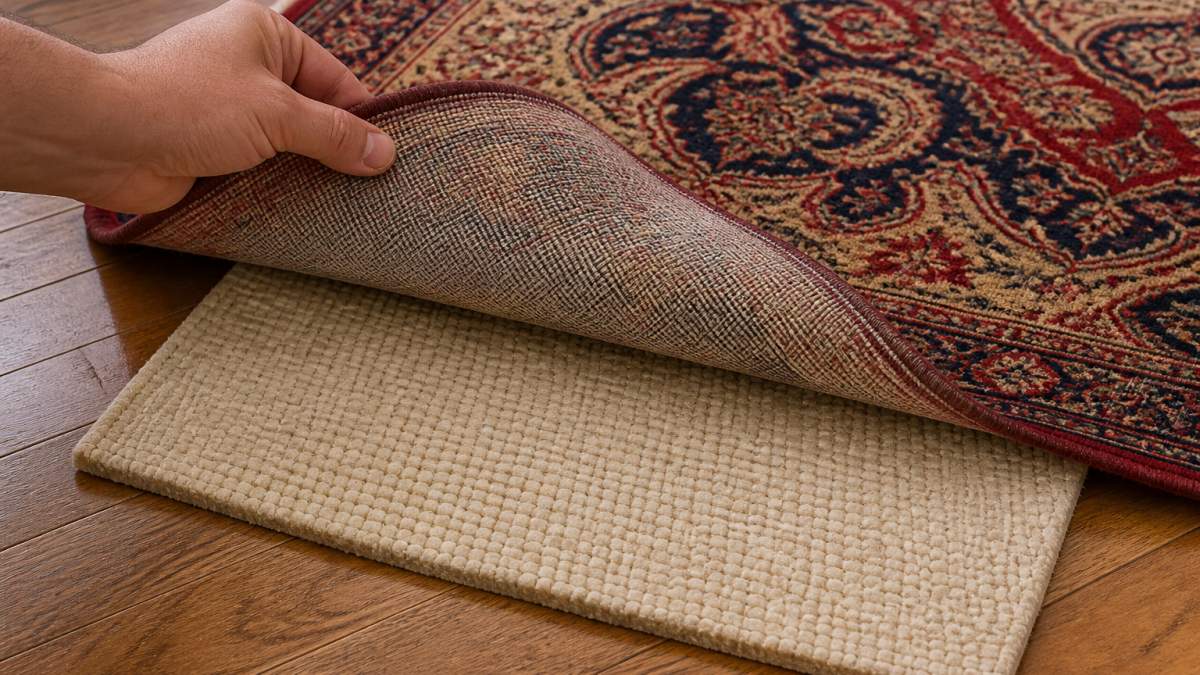
- Distributes furniture weight more evenly across the rug
- Prevents the rug from sliding
- Protects the rug backing from floor damage
A good rug pad spreads pressure over a larger area. Instead of four furniture legs creating four sharp pressure points, the pad spreads that weight across its entire surface. This dramatically reduces indentation risk.
At ABC Rugs Kilims & Jewelry, we recommend rug pads as the first line of defense for any antique rug. The right pad protects your investment without damaging the rug.
Selecting Breathable and Non-Slip Pads
Not all rug pads are the same. For antique rugs, you need a pad that breathes.
Look for pads made from natural rubber or felt. Avoid plastic or vinyl pads. These trap moisture and can discolor antique rug backings over time.
Non-slip is essential. You want the pad to grip the floor so the rug doesn't shift under furniture weight.
Check the pad thickness. A pad between one-quarter and one-half inch thick works best for most antique rugs. Too thin and it won't distribute weight effectively.
Installation and Maintenance
Installing a rug pad is simple. Lay the pad flat on the floor first. Then place your antique rug on top of the pad.
Inspect your rug pad every few months. Look for dirt, dust, or moisture underneath. If you find moisture, remove the rug and pad. Let both dry completely before reinstalling.
Replace your rug pad every 3-5 years. Over time, pads compress and lose their grip. A worn pad won't distribute weight as well as a new one.
Placing Furniture Coasters for Rugs Under Legs
Furniture coasters add an extra layer of protection. A coaster is a small protective cup or pad that sits under each furniture leg. It spreads the leg's weight across a larger surface area. This reduces the pressure on the rug pile directly beneath the leg.
Coasters work best when paired with a rug pad. Together, they create a two-part protection system. The pad handles overall weight distribution. The coasters protect the specific areas where furniture legs contact the rug.
Choosing Compatible Coasters
Choose coasters made from soft materials. Felt, rubber, or cork work well. Avoid hard plastic or metal coasters.
The coaster should be large enough to distribute weight effectively. A one-inch diameter coaster is the minimum.
Make sure the coaster bottom is smooth and won't scratch your rug. Run your finger across the bottom. It should feel soft, not rough or sharp.
For antique rugs, avoid coasters with adhesive backs. Adhesive can damage the rug backing and leave sticky residue.
Proper Placement and Pressure Distribution
Place one coaster under each furniture leg. Make sure each coaster sits fully on the rug pad. Don't let any part of the furniture leg touch the rug directly.
Check coaster placement every few months. Furniture can shift slightly over time. Make sure coasters stay centered under the legs.
Replace coasters when they wear out. A compressed or flattened coaster won't distribute pressure effectively. Replace them every 1-2 years depending on furniture weight and foot traffic.
Moving Furniture to Prevent Rug Dents
Even with pads and coasters, furniture sitting in one spot for too long will eventually leave a mark. The solution is simple: move the furniture periodically. This redistributes pressure and prevents deep indentations from forming.
One Of The Kind Persian Bidjar Rug#12 Size 525x318 cm →
Moving furniture also gives you a chance to inspect the rug. You can check for damage, clean underneath, and ensure pads and coasters are still in good condition.
Rotation and Repositioning Schedule
Move furniture every 3-6 months. This prevents pressure from concentrating in one area. For large pieces like sofas, even moving them a few inches makes a difference.
If you have a large area rug, consider rotating the entire rug every 6-12 months. Rotate it 90 degrees or flip it end-to-end. This moves furniture pressure points to new areas of the rug.
For antique rugs that are particularly valuable, rotate more frequently. Every 3 months is ideal. This spreads wear evenly across the entire rug surface.
Safe Lifting Techniques for Heavy Pieces
When you move furniture, lift it properly. Never slide a heavy sofa or chair across the rug.
Lift furniture straight up. Get help if the piece is heavy. Two people lifting together is safer than one person struggling alone.
If the furniture is too heavy to lift, use furniture sliders. Place a slider under each leg. Gently push the furniture across the rug.
After moving furniture, check the rug for any new damage. Look at the areas where the furniture sat.
How to Get Furniture Indentations Out of Rugs
If your antique rug already has indentations from furniture, don't worry. Many can be lifted or reduced. The key is acting quickly. Fresh indentations respond better to treatment than old ones.
Using Moisture and Heat to Restore Pile
Moisture and heat help fibers spring back to life. Damp towels and steam are the safest methods for antique rugs.
Start with the damp towel method:
- Dampen a clean towel with warm water
- Wring out excess water so the towel is damp, not wet
- Place the towel over the indentation
- Let it sit for 15-30 minutes
- Remove the towel and let the rug dry
- Gently brush the area with a soft brush
The moisture relaxes the fibers. Heat from the warm water helps them recover. Repeat this process 2-3 times if needed.
For stubborn indentations, try steam. Use a handheld steamer or a steam iron held just above the rug (don't let it touch the rug directly). The steam penetrates the pile and helps fibers relax. After steaming, brush gently and let dry.
Brushing and Vacuuming Techniques
Gentle brushing helps lift compressed fibers. Use a soft-bristled brush designed for rugs. Brush in the direction of the pile. Use light pressure. You're not trying to scrub, you're gently coaxing fibers back up.
Vacuum regularly to prevent dirt from settling into compressed areas. Use a vacuum without a beater bar, or set it to the lowest setting.
After treating an indentation with moisture, brush while the area is still slightly damp. The damp fibers are more flexible and respond better to brushing.
When to Consult a Rug Conservator
Some indentations are too deep or too old to treat at home.
A rug conservator has specialized tools and expertise. They can assess whether an indentation is permanent or reversible.
Conservators can also repair damage that may have happened alongside the indentation. They understand the specific needs of antique fibers and can work safely with delicate materials.
According to guidelines from the American Institute for Conservation, professional rug conservation should follow standards that protect the rug's integrity and historical value.
A Maintenance Schedule to Protect Your Investment
Create a simple maintenance schedule to keep your antique rug in top condition. Regular care prevents problems before they start.
| Task | Frequency | Why It Matters |
|---|---|---|
| Inspect rug and furniture placement | Monthly | Catch new indentations early |
| Vacuum gently | Every 2 weeks | Prevent dirt from settling into pile |
| Move furniture | Every 3-6 months | Redistribute pressure and wear |
| Rotate entire rug | Every 6-12 months | Spread wear evenly across surface |
| Check rug pad condition | Every 3 months | Ensure pad still distributes weight |
| Replace coasters if worn | Every 1-2 years | Maintain protection under legs |
| Professional cleaning | Every 3-5 years | Deep clean and expert inspection |
This schedule keeps pressure distributed evenly. It also gives you regular chances to spot problems early. Early detection means easier fixes.
For valuable antique rugs from ABC Rugs Kilims & Jewelry, consider more frequent inspections. Our collection includes museum-quality pieces like the One Of The Kind Persian Bidjar Rug, known for exceptional durability but deserving of careful care.

Protecting your antique rug from furniture indentation requires a three-part approach: prevention with pads and coasters, regular furniture movement, and quick treatment of any marks that do appear. Research from the Textile Conservation Center at the University of Rhode Island confirms that preventive care extends the life of antique textiles significantly.
Frequently Asked Questions
How do you prevent furniture indentations on antique rugs?
The most effective approach combines three strategies: install a breathable rug pad underneath to distribute weight evenly, place furniture coasters under all furniture legs to reduce pressure points, and rotate your rug every 6-12 months to vary where weight concentrates. These steps work together to prevent the pile fibers from becoming permanently compressed. For valuable antique rugs, this preventive care is far easier than attempting restoration later.
What type of rug pad is safe for antique rugs?
Choose a non-slip, breathable pad specifically designed for antique rugs, never use rubber or plastic pads that trap moisture and can damage delicate fibers or backing. Look for pads made from felt or natural rubber compounds that allow air circulation. Check the pad thickness. A pad between one-quarter and one-half inch thick works best for most antique rugs. Too thin and it won't distribute weight effectively. Too thick and it can create an uneven surface. Always verify compatibility with your rug's material before installation, especially for silk or rare antique pieces where professional guidance may be needed.
How often should you move furniture to prevent rug dents?
Reposition furniture every 6 to 12 months, depending on weight and foot traffic. Heavy pieces like sofas or bed frames need attention more frequently, every 6 months is ideal. When you move furniture, shift it at least 12 inches from its original position so the compressed pile areas receive a break. Lighter furniture can be moved annually. This rotation allows pile fibers to recover and prevents deep, permanent indentations from forming in high-pressure zones.
Are furniture indentations in antique rugs permanent?
Most indentations are not permanent if caught early. Fresh dents typically respond well to moisture and gentle brushing within weeks of forming. However, deep indentations that have set for months or years may become permanent, especially in antique rugs with aged or weakened pile. Prevention is far more effective than removal. If you notice marks forming, address them immediately using moisture and heat techniques. For severe or stubborn indentations in valuable pieces, consult a professional rug conservator to avoid fiber damage.


