

Table of Contents
- Why Vintage Jewelry Requires Different Care
- How to Clean Vintage Antique Jewelry Safely
- Best Storage Solutions for Vintage Jewelry
- Signs of Damage in Vintage Jewelry to Watch For
- The Importance of Professional Inspections
- Preventative Care: Do's and Don'ts of Jewelry Maintenance
- Restoration vs. Maintenance: When to Seek Professional Help
- Conclusion
Last Updated: August 20, 2026
Why Vintage Jewelry Requires Different Care
Vintage jewelry demands a fundamentally different maintenance approach than modern pieces. Older items were often crafted with techniques and materials that respond unpredictably to standard cleaning methods. Settings may have weakened over decades, gemstones might be more brittle, and metals can be more reactive to chemicals than contemporary alloys.
The craftsmanship in vintage and antique pieces represents irreplaceable artistry. A vintage brooch from the 1920s or a delicate Victorian ring carries not just monetary value but historical significance. When you maintain vintage jewelry properly, you're preserving both the piece itself and the story embedded in its construction.

At ABC Rugs Kilims & Jewelry, we understand that every vintage item has unique requirements based on its age, materials, and construction method. Many collectors make the mistake of treating all jewelry the same way, using aggressive cleaning techniques on delicate antique pieces. This approach inevitably leads to damage: loosened stones, worn prongs, scratched surfaces, or worse.
How to Clean Vintage Antique Jewelry Safely
The safest approach to cleaning vintage jewelry combines gentleness with minimal intervention. The goal isn't to make pieces look brand new, but to remove accumulated grime while preserving the patina and character that make them valuable.
Gentle Cleaning Methods That Protect Settings
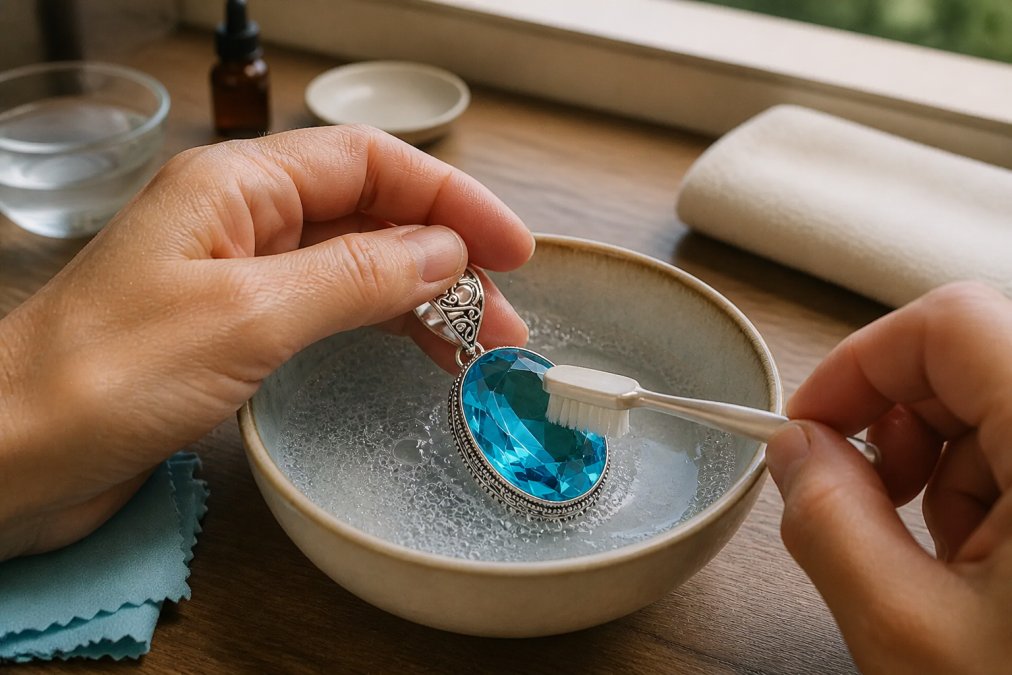
Start with the simplest method: a soft brush and mild soap solution. Use a natural-bristle brush, never synthetic, dipped lightly in a bowl of lukewarm water mixed with a drop of mild dish soap. Work gently in circular motions around the piece.
Never soak vintage jewelry for extended periods. If you must submerge a piece, limit it to five minutes maximum, and only for items with secure, modern settings. Pat pieces dry immediately with a soft, lint-free cloth using gentle patting motions rather than rubbing.
For pieces with significant grime buildup, a soft toothbrush can reach crevices that a larger brush cannot, but use the gentlest touch possible.
Mild Soap and Water Solutions
The most reliable cleaning solution for vintage jewelry is remarkably simple: warm water with a single drop of mild dish soap. Mix the solution in a shallow bowl rather than running water from a tap, giving you control over concentration.
Let intricate pieces soak in the solution for just two to three minutes to soften accumulated grime. Don't extend the soak time, as prolonged moisture exposure can weaken old adhesives used to secure stones. After cleaning, rinse under cool running water to remove all soap residue.
What to Avoid: Harsh Chemicals and Tools
Never use commercial jewelry cleaners, particularly those containing harsh solvents or ammonia. These chemicals can strip protective patinas, etch delicate gemstones, and corrode old metalwork.
Ultrasonic cleaners present a serious risk for vintage jewelry. The high-frequency vibrations can loosen stones, damage delicate settings, and cause fractures in brittle gemstones like opals or emeralds.
Avoid abrasive tools entirely. Steel wool, scouring pads, and commercial polishing cloths can scratch delicate surfaces and wear through thin plating. Never use bleach, vinegar, or other acidic solutions, and avoid hot water entirely, as thermal shock can crack gemstones and weaken solder joints.
Best Storage Solutions for Vintage Jewelry
How you store vintage jewelry between wearings has enormous impact on its longevity. Poor storage accelerates tarnish, allows pieces to tangle and break, and exposes items to environmental damage.
Controlling Humidity and Temperature
Store vintage jewelry in a cool, dry location where temperatures remain relatively stable. Avoid areas near windows, radiators, or air conditioning vents. A bedroom closet or interior cabinet typically provides better conditions than a bathroom or kitchen.
Humidity levels should stay below 50 percent. If your storage area tends to be humid, use silica gel packets inside your jewelry storage container. Never store vintage jewelry in direct sunlight, as UV exposure fades gemstones and accelerates oxidation. Keep pieces away from sources of extreme temperature change.
Organizing Pieces to Prevent Tangling and Damage
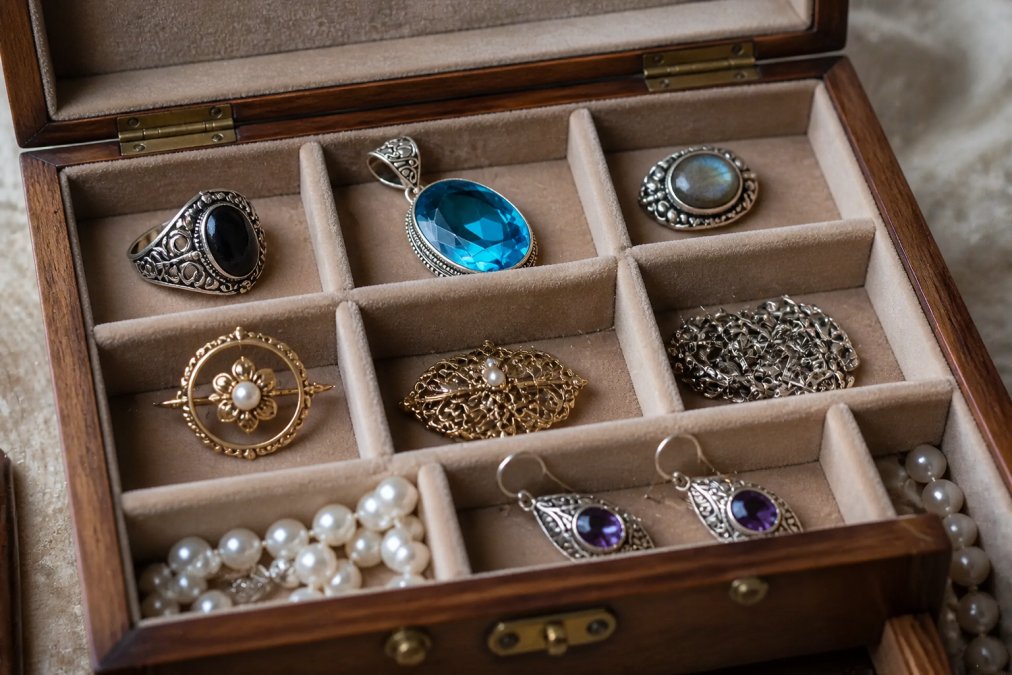
Individual compartments prevent vintage pieces from touching each other, reducing tangling and protecting delicate surfaces from scratching. A wooden jewelry box with soft velvet-lined compartments works well for most collections. caring for handmade accessories.
For necklaces and chains, hang them on individual hooks rather than coiling them together. Store rings in individual slots or small boxes, never stacked on top of each other. Brooches should be stored flat in compartments where they won't slide or shift. Wrap delicate or particularly valuable pieces in acid-free tissue before placing them in storage.
Signs of Damage in Vintage Jewelry to Watch For
Regular inspection catches problems early, before minor issues become irreversible damage.
Checking for Loose Settings and Prong Wear
Gently wiggle each gemstone with your finger. If a stone moves at all, the setting needs professional attention. Don't wear the piece until it's been repaired.
Examine prongs closely with a magnifying glass. Prongs should have sharp points that grip the gemstone securely. If prongs appear rounded or worn flat, they've lost their holding power. Look for gaps between the prong and the gemstone, which indicate the stone has shifted or the prong has bent. Check the solder joints where settings attach to bands or shanks for cracks or separation.
Identifying Gemstone Integrity Issues
Look for visible cracks or fractures within the stone. Even hairline cracks can spread over time, particularly with temperature changes or pressure from wearing.
Check for cloudiness or haziness in what should be a clear stone, which can indicate internal fracturing or deterioration. Opals and emeralds are especially vulnerable in vintage settings, opals can dry out and crack if stored in low-humidity environments, while emeralds are prone to fracturing because of their brittle nature. Notice any color changes in gemstones, as fading, darkening, or unusual discoloration can indicate chemical exposure or damage.
The Importance of Professional Inspections
Even with excellent home care, vintage jewelry benefits from periodic professional evaluation. A skilled jeweler can identify problems you might miss and prevent damage before it becomes severe.
Schedule a professional inspection every two to three years for pieces you wear regularly. Pieces stored and rarely worn can be inspected less frequently, perhaps every five years. When you visit a jeweler, ask them to check setting security, prong condition, solder joint integrity, gemstone cracks or internal damage, clasp function, and any signs of corrosion or metal fatigue.
Choose a jeweler experienced with vintage and antique pieces. A jeweler unfamiliar with vintage techniques might recommend inappropriate repairs or use modern methods that damage historical integrity. For professional guidance, consider reaching out to a trusted expert in vintage jewelry restoration and maintenance.
Preventative Care: Do's and Don'ts of Jewelry Maintenance
Preventative care prevents most damage from occurring in the first place.
Do remove vintage jewelry before activities that expose it to risk: swimming, gardening, exercising, or showering. Chlorine damages metals and dislodges stones. Soil and chemicals cause tarnish and corrosion. Sweat accelerates oxidation.
Do store pieces immediately after wearing them. Don't leave vintage jewelry sitting on dressers or countertops. Return each piece to its designated storage compartment within minutes of removing it.
Do handle vintage jewelry minimally. Every touch introduces potential for damage. Handle pieces only when necessary, and always with clean, dry hands.
Don't attempt to repair vintage jewelry yourself. Even experienced jewelers refer complex vintage repairs to specialists. Don't expose vintage jewelry to perfume, hairspray, cosmetics, or lotions, which contain chemicals that damage metals and weaken adhesives. Apply all personal care products before putting on vintage jewelry.
Don't store vintage jewelry in plastic bags or boxes, which can off-gas chemicals that damage metals and gemstones. Use acid-free materials, natural fabrics, or wood for storage containers.
Don't wear vintage jewelry during activities that expose it to extreme conditions. Beach outings expose pieces to salt spray, which accelerates corrosion. Winter activities expose jewelry to extreme cold. High-humidity environments like saunas cause rapid tarnish formation.
Restoration vs. Maintenance: When to Seek Professional Help
Maintenance preserves the current condition of vintage jewelry through gentle cleaning, proper storage, and preventative care. Restoration involves repairing damage, replacing worn components, or returning a piece to better condition.
Seek professional help immediately if you notice loose gemstones, broken settings, bent prongs, or cracks in metal. These problems worsen with continued wear and become increasingly expensive to repair if neglected.
Bring pieces to a jeweler if you're uncertain about their condition. For heavily tarnished silver or oxidized gold, professional polishing can restore appearance without damaging the piece. If you inherit vintage jewelry in unknown condition, have it professionally inspected before wearing it.
ABC Rugs Kilims & Jewelry specializes in curated vintage and antique jewelry pieces. When you purchase vintage jewelry from a knowledgeable source, you gain access to expertise that extends far beyond the initial transaction. For example, our Exceptional Quality Blue Topaz Gemstone Handmade 925 Sterling Silver Jewelry Pendant Sz-2.2'' Cus-Jew144 is a prime example of the high-quality, authentic pieces we offer, each accompanied by an authentic certification. You can find this exquisite piece and more at https://abcrugskilims.com/products/blue-topaz-gemstone-handmade-925-sterling-silver-jewelry-pendant-sz-2-2.
Vintage jewelry represents a connection to history and craftsmanship that contemporary pieces rarely match. By understanding how to maintain vintage jewelry with gentle cleaning methods, appropriate storage, and regular professional inspections, you protect both the monetary value and the historical significance of your collection. Start with the fundamentals covered here, monitor your pieces for signs of wear, and don't hesitate to consult professionals when questions arise. The effort you invest in proper maintenance today prevents expensive restoration work tomorrow and ensures your vintage pieces remain beautiful for generations to come.
Frequently Asked Questions
What is the safest way to clean vintage jewelry without damaging it?
Use a mild soap and water solution with a soft brush for gentle cleaning. Fill a small bowl with lukewarm water and a few drops of dish soap, soak the piece for 5-10 minutes, then gently brush with a soft-bristled toothbrush. Rinse thoroughly with distilled water and pat dry with a lint-free cloth. Avoid ultrasonic cleaners, steam cleaning, and harsh chemicals, which can damage delicate settings and gemstones. For valuable or fragile pieces, professional cleaning is always the safest option.
How should vintage jewelry be stored to prevent oxidation and tarnish?
Store vintage jewelry in a cool, dry place away from direct sunlight and extreme temperatures. Use individual compartments or soft pouches to prevent tangling and friction between pieces. Keep humidity levels between 30-40% to slow oxidation and tarnish formation. Avoid storing in bathrooms or basements where moisture fluctuates. Airtight containers with silica gel packets help maintain stable conditions. For silver pieces, consider using anti-tarnish strips or cloth. Check stored pieces monthly and rotate them to ensure even aging.
What signs of damage in vintage jewelry should I watch for?
Inspect regularly for loose prongs that no longer grip gemstones securely, visible wear or thinning in metal bands, cracks or chips in stones, discoloration beyond natural patina, and bent or misaligned settings. Look for pitting in the metal surface, which indicates corrosion, and check clasps and hinges for proper function. Loose settings pose the greatest risk of stone loss. If you notice any of these signs, have the piece professionally evaluated before wearing it again. Professional inspections annually help catch problems early.
How often should vintage jewelry be professionally inspected?
Professional inspections are recommended at least once per year for pieces you wear regularly, and every 2-3 years for stored or occasional-wear pieces. More frequent inspections may be needed for antique jewelry with delicate settings or valuable gemstones. During inspections, professionals check prong security, assess metal integrity, evaluate gemstone condition, and identify any restoration needs. Annual inspections help catch damage early, preventing costly repairs and preserving the piece's value and authenticity for future generations.
This article was written using GrandRanker


