

Table of Contents
- What Makes Authentic Kilim Rugs Different
- How to Identify a Kilim Rug: Key Characteristics
- Vintage vs. Modern Kilim Rugs
- Value of Antique Kilim Rugs: What Collectors Should Know
- Kilim Rug Care and Maintenance
- Verifying Authenticity: What to Look For
- Conclusion
- Frequently Asked Questions
Last Updated: September 1, 2026
What Makes Authentic Kilim Rugs Different
Authentic kilim rugs are handwoven flatweave textiles distinguished by their construction method, materials, and cultural heritage. At ABC Rugs Kilims & Jewelry, we curate collections of these remarkable pieces for discerning collectors and interior designers who understand the difference between mass-produced reproductions and genuine handcrafted textiles.
The defining characteristic of authentic kilim rugs is their pileless flatweave construction. Unlike traditional pile rugs, kilims use an interwoven technique where warp and weft threads are locked together in alternating patterns, creating a textile that is thinner, more flexible, and remarkably durable. This method has been refined over centuries across nomadic cultures from Central Asia to the Middle East, making each piece a direct link to traditional weaving practices.
Genuine kilims are handspun wool, often combined with natural fibers like cotton or goat hair, and dyed with vegetable dyes that produce colors with depth and subtle variation. The geometric patterns and tribal motifs emerge from the weaving process itself, with each thread deliberately placed by a skilled weaver. These textiles represent centuries of nomadic tradition, with each region developing distinctive pattern vocabularies tied to specific tribes, geographic areas, and historical periods. Understanding these distinctions helps buyers appreciate the heritage embedded in each piece and verify authenticity.
How to Identify a Kilim Rug: Key Characteristics
Identifying authentic kilim rugs requires examining several specific elements that reveal whether a textile is genuinely handwoven or a modern reproduction.
Weaving Structure and Flatweave Construction
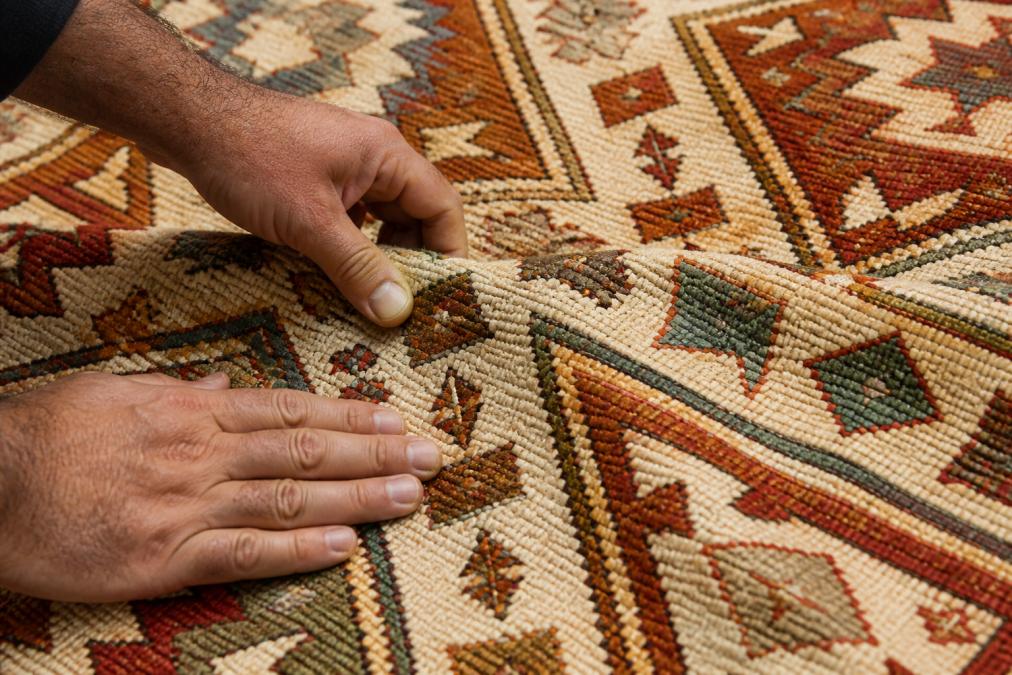
Authentic kilims feature a flatweave construction where warp threads run lengthwise and weft threads pass over and under them in a specific pattern. When you flip a genuine kilim over, the pattern is visible on both sides, though sometimes in reverse or with less definition. This two-sided visibility is nearly impossible to replicate in machine production, making it one of the most reliable identification markers.
Run your hand across the surface. A real kilim feels textural and slightly irregular, with variations in weave density that reflect the weaver's hand. The edges should show selvage, the finished border created during the weaving process, rather than a machine-sewn hem. In authentic pieces, you'll see the specific over-under pattern that creates the flatweave structure. Machine-made kilims often show inconsistent interlocking or visible glue where threads meet.
Most genuine kilim rugs range from one-eighth to one-quarter inch thick. If a kilim feels unusually stiff or plastic-like, it may have been treated with sizing compounds to simulate thickness, a common shortcut in reproductions.
Natural Fibers and Vegetable Dyes
Authentic kilim rugs are made from natural fibers: handspun wool, cotton, and occasionally goat hair or silk. These materials age gracefully, developing patina and character over decades. Real wool has a distinctive texture, slightly coarse, with natural oils that create subtle sheen variations. Cotton feels smoother and cooler to the touch. Synthetic fibers feel uniform and plastic-like by comparison.
The dyes used in authentic kilim rugs come from natural sources: madder root for reds, indigo for blues, walnut husks for browns, and various plants for yellows and oranges (peer-reviewed research). Vegetable dyes create colors with remarkable depth and fade gradually and unevenly over time, producing the soft, aged appearance collectors prize. Synthetic dyes produce flat, uniform colors that either remain bright or fade evenly.
To test for vegetable dyes, dampen a white cloth and rub it gently on an inconspicuous area of the kilim. If the dye bleeds onto the cloth, the piece likely uses synthetic dyes or is poorly dyed. Examine the color variation within a single hue. Real vegetable dyes produce subtle shifts in tone; a red section might contain lighter and darker threads, creating visual complexity. Synthetic dyes appear uniform throughout.
Geometric Patterns and Tribal Motifs
The patterns in authentic kilim rugs follow specific regional and tribal traditions developed over centuries. Common tribal motifs include the diamond shape (gul), which represents the gul flower and symbolizes protection, and the comb pattern, associated with fertility.
Authentic kilims display pattern irregularities that reveal the human hand at work. Geometric shapes won't be perfectly symmetrical, lines may shift slightly, and color placement shows intentional variation rather than mechanical repetition. These "imperfections" are signatures of authenticity. Machine-made kilims reproduce patterns with mechanical precision, creating an unsettling uniformity that lacks the organic quality of handwoven work.
Vintage vs. Modern Kilim Rugs
Vintage kilim rugs are typically defined as pieces created between 30-100 years ago, originating from nomadic weaving communities in Turkey, Iran, Afghanistan, and the Caucasus. These rugs carry the patina of age, softer colors from decades of vegetable dyes fading in natural light, and a suppleness that comes from years of use. Modern authentic kilim rugs are handwoven today using traditional techniques but often incorporate contemporary design sensibilities, featuring brighter colors and crisper patterns.
The value trajectory differs significantly. Vintage kilim rugs appreciate over time as they become rarer and their historical significance grows. Modern authentic kilims offer better value for buyers seeking the aesthetic and craftsmanship of genuine kilims without the premium vintage pricing. They're also ideal for active households where wear and tear is inevitable.
Consider your intended use. Vintage pieces are best suited for display-focused applications, walls, special spaces, or low-traffic areas where their age and fragility are protected. Modern kilim rugs handle everyday use better because their fibers haven't weakened through decades of aging.
Value of Antique Kilim Rugs: What Collectors Should Know
Antique kilim rugs represent the highest tier of kilim collecting, commanding significant investment value and requiring specialized knowledge to authenticate and evaluate. These are pieces typically over 100 years old, often originating from specific historical periods when regional weaving traditions were at their peak.
The value of antique kilim rugs depends on several interconnected factors. Age is primary; a documented kilim from the 1890s carries more value than one from the 1950s. Provenance matters enormously. If you can trace the piece's ownership history and geographic origin, value increases substantially. Rarity and condition significantly influence value. Antique kilim rugs in exceptional condition with minimal wear, strong colors, and intact fringes are increasingly rare and valued accordingly.
The market for antique kilim rugs has developed sophisticated evaluation standards. Collectors and dealers assess size, materials, dye quality, pattern complexity, and historical significance. Understanding these distinctions prevents overpaying and helps buyers recognize genuine investment-grade pieces. ABC Rugs Kilims & Jewelry's curated collection includes antique pieces with documented provenance and authenticated age. handcrafted woven throws.
Kilim Rug Care and Maintenance
Proper care extends the life of authentic kilim rugs and preserves their aesthetic and investment value. Because these textiles are made from natural fibers and vegetable dyes, they require different maintenance approaches than modern synthetic rugs.
Cleaning Natural Fibers Without Damage
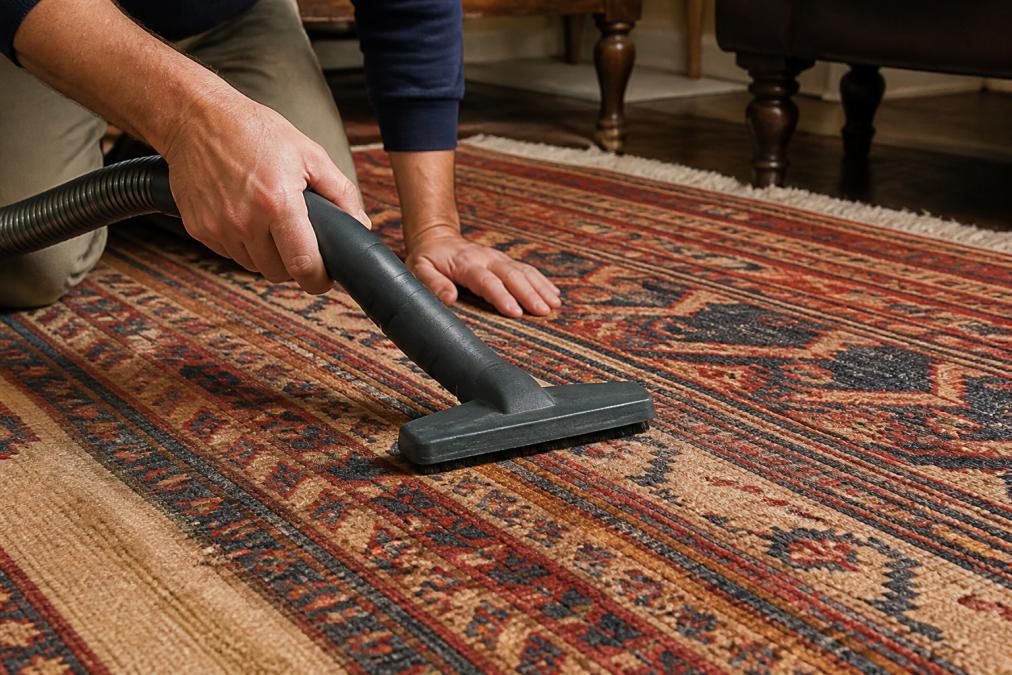
Regular vacuuming is the foundation of kilim maintenance. Use a vacuum without a beater bar or rotating brush, which can damage the flatweave structure. Instead, use the upholstery attachment or a handheld vacuum. Vacuum in the direction of the weave, not against it.
Spot cleaning requires caution with natural fibers and vegetable dyes. When spills occur, blot immediately with a clean, undyed cloth. For water-based spills, use cool water with minimal moisture. For organic stains, a mild solution of cool water and a few drops of pH-neutral wool detergent can help, but test this on an inconspicuous corner first. Never use commercial carpet cleaners or harsh chemicals on authentic kilim rugs. If professional cleaning becomes necessary, seek specialists experienced with natural fiber textiles and vegetable dyes.
Stain Removal and Storage Best Practices
For stubborn stains on authentic kilim rugs, time is your advantage. Many stains fade naturally as they age. If immediate removal is necessary, use the most conservative approach first: blot with cool water and a neutral cloth. If that doesn't work, try a solution of one part white vinegar to three parts cool water, applied sparingly to a cloth.
Pet accidents require immediate attention. Blot urine thoroughly with paper towels or cloth, then rinse the area with cool water, blotting repeatedly. Enzymatic cleaners designed for natural fibers can help eliminate odor, but use them cautiously and rinse thoroughly afterward.
Storage of authentic kilim rugs demands careful attention to environmental conditions. Excessive heat, humidity, and light damage both fibers and dyes. Store kilims in a cool, dry location away from direct sunlight. Roll kilims rather than folding them, and use acid-free tissue paper to wrap the rolled kilim. Store in a breathable cotton bag rather than plastic, which traps moisture. Rotate displayed kilim rugs periodically to ensure even fading from sunlight.
Verifying Authenticity: What to Look For
Distinguishing genuine authentic kilim rugs from high-quality reproductions requires systematic verification. Start with visual inspection: examine the back of the kilim, the pattern should be clearly visible on the reverse side. The weave structure should show consistent over-under interlocking of warp and weft threads. Look for selvage on the side edges, the finished border created during weaving, not a sewn hem.
Feel the texture across the entire surface. Authentic kilim rugs feel slightly uneven, with variations in weave density that reflect the weaver's hand. Run your fingers along the fringe; genuine fringes are extensions of the warp threads, not separately attached.
Test the fiber content by examining a small section closely. Real wool has a distinctive appearance with slight color variation and natural sheen. Gently tug a fiber. Real wool and cotton have elasticity and resistance; synthetic fibers often feel limp.
Examine the dye colors for the characteristics of vegetable dyes. Colors should have depth and subtle variation within a single hue. Look for color fading patterns. Authentic vegetable dyes fade unevenly over time, creating the aged appearance collectors value. Check pattern irregularities. Genuine kilim rugs show design variations that prove human creation. Ask for documentation. Reputable dealers provide information about a kilim's origin, age, materials, and weaving technique.
When evaluating authentic kilim rugs, trust multiple verification points rather than relying on a single test. The combination of structural characteristics, material authenticity, pattern irregularities, and dye quality creates a complete picture of genuineness.
Conclusion
Authentic kilim rugs represent more than decorative textiles; they're woven records of cultural heritage, craftsmanship traditions, and artistic vision spanning centuries. Distinguishing genuine handwoven pieces from reproductions requires understanding the specific characteristics that define authentic kilim rugs: the flatweave structure, natural fiber composition, vegetable dyes, and tribal pattern significance.
Whether you're seeking a vintage piece with historical patina, a modern handwoven kilim, or an investment-grade antique, the verification process remains consistent. Examine the weave structure, test the fibers and dyes, observe pattern irregularities, and seek documented provenance. These steps protect your investment and ensure you're acquiring a piece with genuine cultural and aesthetic value.
ABC Rugs Kilims & Jewelry curates authenticated authentic kilim rugs for collectors, interior designers, and homeowners who understand the value of genuine craftsmanship. Our collection includes verified vintage pieces, contemporary handwoven kilims, and documented antique textiles. Explore our curated selection and discover how authentic kilim rugs can transform your space with timeless artistry and heritage.
| Verification Method | What to Check | Indicates Authenticity If |
|---|---|---|
| Weave structure | Back-side pattern visibility | Pattern clearly visible on reverse |
| Selvage edges | Side border construction | Irregular, woven finish (not sewn) |
| Fiber feel | Texture and elasticity | Slightly uneven, natural fiber resistance |
| Dye characteristics | Color depth and variation | Subtle tones, vegetable dye appearance |
| Pattern irregularities | Geometric precision | Intentional variations, human-made quality |
| Fringe attachment | Connection to rug body | Warp thread extensions (not appliqué) |
| Documentation | Provenance and origin | Seller provides detailed history |
Frequently Asked Questions
How can I tell if a kilim rug is authentic?
Authentic kilim rugs are handwoven with natural fibers like wool, cotton, or goat hair, and feature vegetable dyes that create slightly irregular color variations. Check the back of the rug, genuine kilims show interwoven warp and weft patterns, not knots. Look for hand-spun yarn irregularities and examine the fringe; authentic pieces have fringes that are integral to the weaving, not sewn on. Vintage and antique kilims also show natural wear patterns consistent with age.
Are authentic kilim rugs a good investment?
Yes, authentic kilim rugs hold and often appreciate in value, especially vintage and antique pieces with strong craftsmanship and cultural significance. Handwoven tribal kilims from established weaving regions are particularly sought after by collectors. The value depends on age, condition, materials, pattern rarity, and provenance. Well-maintained pieces from recognized artisans or regions can increase in worth over time, making them both functional decor and tangible assets.
What's the difference between a kilim and a traditional pile rug?
Kilim rugs are flatweave textiles with no pile, the warp and weft threads are interwoven to create the pattern. Traditional pile rugs have hand-knotted fibers that stand up from the base, creating a thick, plush surface. Kilims are lighter, more affordable, and work well in high-traffic areas, while pile rugs offer more cushioning and luxury feel. Both are authentic handmade options; kilims emphasize textile art and geometric design, while pile rugs showcase intricate knotwork.
How do I care for an authentic kilim rug to preserve its value?
Vacuum kilim rugs regularly on low suction, always from fringe to fringe to avoid pulling fibers. For stains on natural fibers, use cool water and mild soap, blotting gently rather than rubbing. Avoid direct sunlight, which fades vegetable dyes, and rotate the rug quarterly for even wear. Store kilims flat or loosely rolled in a breathable cloth in a dry place. Professional cleaning every 3-5 years extends durability. Use rug pads underneath to prevent slipping and protect flooring.
This article was written using GrandRanker


