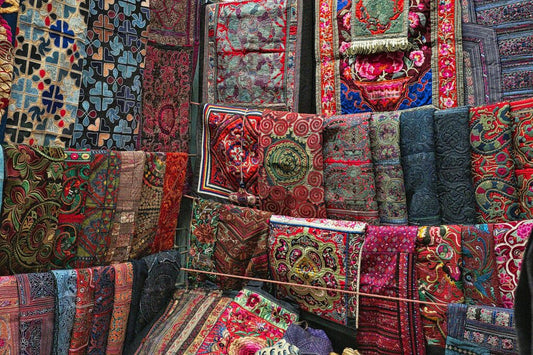
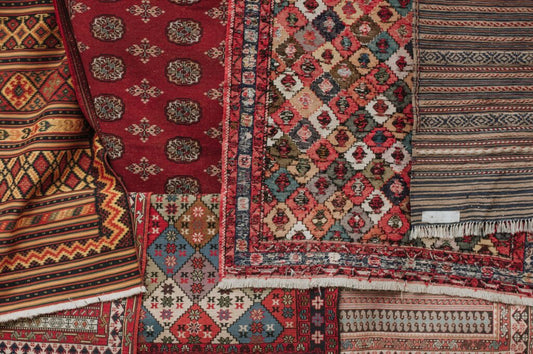
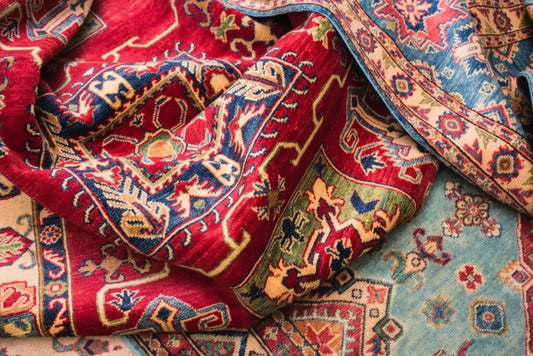
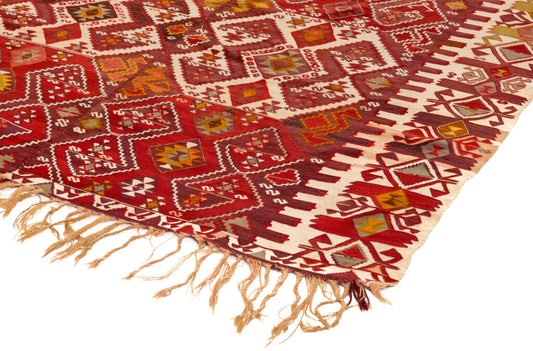
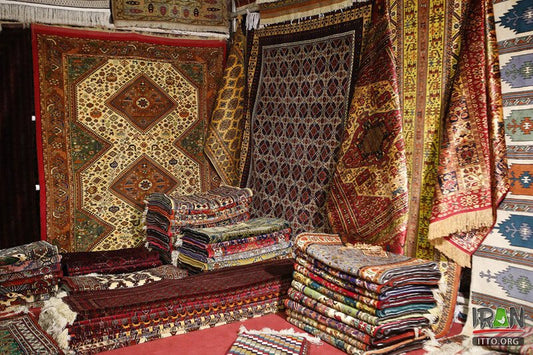
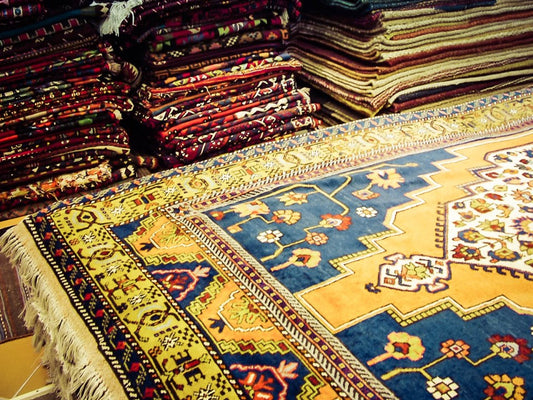
A hand-knotted rug can look like a simple floor covering until you turn it over, study the weave, and recognize the work of a Tabriz workshop, a tribal Shiraz weaving, or an early Caucasian Kazak design. That difference is why knowing where to sell antique rugs matters. The right buyer sees materials, origin, age, condition, and collector appeal. The wrong buyer may see only used décor.
For owners of inherited Persian rugs, longtime collectors refining a room, and designers releasing inventory, the best selling route depends on the rug itself. An antique silk Qom, a room-size Heriz, a worn but early Bakhtiar, and a decorative vintage Turkish kilim do not belong in the same sales channel or carry the same expectations for price.
Where to Sell Antique Rugs: Start With the Right Buyer
A specialty Oriental rug dealer is often the most practical choice when you want an informed offer without managing a long private sale. Dealers understand named weaving traditions, wool quality, natural versus synthetic dyes, knot structure, restoration, and current demand. They can also assess whether a rug is genuinely antique, semi-antique, vintage, or simply an older handmade rug.
This route is especially effective for Persian rugs from Tabriz, Kashan, Kerman, Isfahan, Nain, Bidjar, Heriz, Bakhtiar, and Qom, as well as Turkish, Afghan, Indian, Pakistani, Caucasian, and Central Asian pieces. A knowledgeable buyer can identify the details that support value, such as a fine wool-and-silk construction, an unusual all-over pattern, a desirable room size, a signed corner, or a rare tribal drawing.
If a dealer makes a direct purchase offer, you generally receive less than the rug's final retail price. That is not automatically a poor deal. The dealer assumes the cost of cleaning, repair, photography, storage, marketing, shipping, insurance, and the time required to find the next owner. A direct sale is often worth considering when speed, convenience, and a clean transaction matter more than waiting for the highest possible retail figure.
Other legitimate places to sell include:
- Specialty rug dealers and antique textile buyers, best for collectible handmade Oriental rugs and rugs needing expert evaluation.
- Consignment galleries, useful for strong decorative pieces when you can wait for a buyer and accept a commission.
- Auction houses, most suitable for rare, documented, highly collectible rugs with a strong estimate and a defined collector audience.
- Private sales to collectors, decorators, or homeowners, which can produce a higher return but require more time, accurate presentation, and careful screening.
- Trade-in arrangements, a sensible option if you are replacing an older rug with another handmade piece better suited to your home.
What Determines an Antique Rug's Sale Value
Age alone does not create value. A 100-year-old rug with heavy losses, weak foundation, severe dry rot, and inappropriate repairs may be less marketable than a 50-year-old rug with beautiful color, excellent wool, and an appealing design. Conversely, honest wear can be part of the appeal of an early tribal or village weaving. Collectors often prefer originality over a rug that has been aggressively restored.
Origin is one of the first value markers. Fine city rugs, including Tabriz, Kashan, Isfahan, Kerman, and Qom, may command attention for intricate drawing, fine knotting, silk highlights, and balanced color. Strong room-size Heriz and Bakhtiar rugs remain popular because they bring structure, durability, and decorative scale to American homes. Bidjar rugs are admired for dense construction, while older Shiraz, Afshar, Kurdish, Baluch, Kazak, and other tribal pieces can attract collectors who value character and individuality.
Materials matter as much as the name. Look for hand-spun wool, silk pile, cotton or wool foundation, and natural dye variation. Fine wool should feel resilient rather than brittle. Silk should have a luminous, directional sheen, not a flat synthetic shine. A buyer will also consider pile height, knot density, selvedges, fringe condition, color balance, and whether the rug lays flat.
Size has a direct effect on the buyer pool. A 9 by 12 or 10 by 14 antique rug can be highly desirable for a dining room, library, or living room, but it also requires a buyer with the right space and budget. Small rugs, runners, mats, and saddlebag panels can sell well when they are rare, vivid, or easy to display. Large rugs are not less valuable simply because they take longer to sell, but they require more targeted marketing.
Prepare the Rug Before Asking for Offers
Do not put a rug in storage, fold it tightly, or attempt a home repair before it has been evaluated. Moth damage, foundation breaks, color run, odor, pet stains, and old glue can all affect the offer. Some problems are repairable at a reasonable cost. Others should simply be disclosed and priced into the sale.
A professional hand-wash can improve presentation, reveal the true color, and remove surface soil that makes an older rug look dull. However, cleaning is not always the first step. If you are uncertain about dyes, silk content, or condition, request an evaluation first. A qualified rug professional can advise whether washing, fringe stabilization, edge repair, or pile conservation is likely to add more value than it costs.
Take clear photographs in daylight. Include the full rug, close-ups of the field and border, the back, corners, fringe, selvedges, labels, repairs, and damaged areas. Measure the rug accurately in feet and inches. A rug described as approximately 8 by 10 may actually be 7 feet 9 inches by 9 feet 8 inches, a meaningful difference for designers and buyers planning a room.
Gather any provenance you have, even if it seems modest. Original purchase receipts, family history, appraisal records, previous auction documentation, and notes on where the rug was acquired can support a stronger conversation. Provenance does not replace an expert assessment, but it can help establish a credible history.
Direct Sale, Consignment, or Auction?
A direct sale is usually the best choice when you need funds promptly, are clearing an estate, relocating, downsizing, or prefer not to manage shipping and buyer questions. Ask for an offer from a buyer who handles antique rugs regularly, and be ready to share photographs, dimensions, condition details, and any history. Getting more than one informed opinion is reasonable, especially for fine Persian rugs, silk rugs, or unusual tribal pieces.
Consignment can be attractive when the rug is clean, visually strong, and not urgently needed for sale. The gallery or dealer presents the rug to retail clients and pays you after it sells, less an agreed commission. Before consigning, clarify the asking price, commission percentage, cleaning and repair authority, insurance coverage, sale period, price reductions, pickup terms, and what happens if the rug does not sell.
Auction is not automatically the highest-value route. It works best when the piece is rare enough to create competition, has appropriate documentation, and fits an auction house's audience. Fees can reduce your proceeds, and an optimistic estimate is not a guaranteed result. A common antique room-size rug may perform better through a specialty dealer with established decorator and homeowner clients than in a broad decorative arts auction.
Private selling offers control, but it also demands discipline. Avoid vague descriptions such as “old Persian rug” or “handmade oriental style.” State what you know and what you do not know. Do not claim an age, origin, silk content, or condition grade unless it has been verified. Accurate language protects your reputation and helps serious buyers decide quickly.
Questions to Ask Before You Sell
Before accepting an offer or signing a consignment agreement, ask how the buyer identified the rug, whether their figure accounts for condition and restoration, and whether pickup is included. If the rug is valuable, ask how it will be insured during transport. A professional buyer should be comfortable discussing the difference between wholesale purchase value and expected retail value.
Be cautious with anyone who gives a firm high price from one distant photograph, pressures you to decide immediately, or avoids discussing fees. Antique rugs are specialized goods. A credible valuation takes into account construction, age, origin, design, size, market demand, and the actual condition of the foundation and pile.
The goal is not to chase the largest number attached to a rug. It is to find the buyer who recognizes what you have, explains the transaction clearly, and offers terms that make sense for your timeline. A well-made antique rug has already carried craftsmanship across generations. Selling it thoughtfully gives the next owner a chance to appreciate the same work under new light.