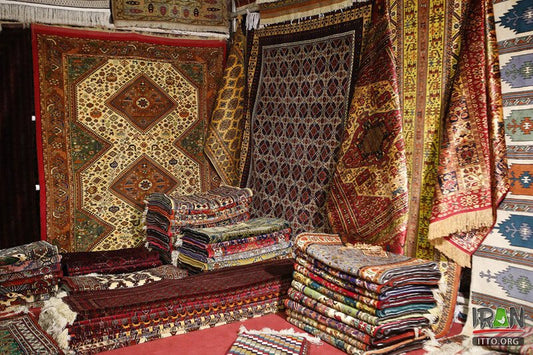
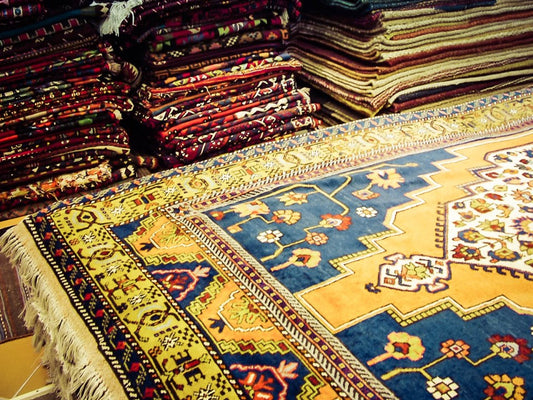
A fine Khatam panel changes character as the light moves across it. From a distance, the surface reads as precise stars, borders, and geometric fields. Up close, it reveals hundreds or thousands of tiny pieces of wood, metal, bone, and sometimes shell assembled by hand. That level of workmanship is what makes Khatam marquetry wall art more than decorative wall covering. It is Persian craft, architectural ornament, and collectible art in one compact form.
For homeowners, designers, and collectors who already appreciate Persian rugs, miniature paintings, engraved copper, and antique decorative objects, Khatam offers a different kind of richness. It brings pattern and history to a wall without requiring the scale of a large rug or painting. The right piece can anchor an entryway, add detail above a console, or become part of a layered collection of handmade Persian art.
What Makes Khatam Marquetry Wall Art Special
Khatam, also called Khatamkari, is a traditional Persian marquetry technique recognized for its intricate repeating geometry. Artisans create extremely small triangular rods from contrasting materials, bind them into star-shaped bundles, then slice and apply thin sections to a wooden ground. Each section becomes part of a larger field of pattern.
The materials matter. Quality Khatam commonly combines woods in different natural tones with brass wire, bone, and occasionally mother-of-pearl or other decorative inlay. A dark wood ground may frame pale bone and warm metal, producing a surface with far more depth than a printed geometric design. The visual effect is disciplined rather than loud: tiny repeated forms create a sense of movement, order, and shimmer.
Persian workshops have historically used Khatam on jewelry boxes, mirror frames, writing desks, backgammon boards, doors, and architectural details. Wall art carries that tradition into a format suited to American homes. It can be a framed marquetry panel, a shaped plaque, a mirror surround, a decorative wooden tile composition, or a mixed-media work paired with Persian miniature painting.
How Handmade Khatam Is Made
The precision behind a good Khatam piece is easy to underestimate. The maker begins by selecting materials that will create clear contrast and hold their shape. Thin rods are cut into triangles and arranged in carefully planned bundles. When the bundle is glued and stabilized, it is sliced into fine veneers that expose the star pattern at the end grain.
Those veneers are then fitted to a prepared wood surface. The work requires accurate cutting, controlled pressure, and a steady eye for alignment. Borders, corners, and curves are especially demanding because the pattern must remain balanced as it changes direction. The final surface is leveled, finished, and often protected with a clear coating that helps preserve the inlay.
This process explains why material and labor should both be considered when comparing pieces. A large panel with dense, sharply defined stars and clean borders generally requires more time than a simple piece with broad pattern sections. However, size alone does not determine value. A smaller, finely executed Khatam panel can be more compelling than a larger piece with uneven geometry or heavy finish.
Choosing Khatam Marquetry Wall Art for Your Space
Start with scale. A small framed Khatam artwork can provide a refined accent in a hallway, library, powder room, or niche. Medium panels work beautifully above a chest, sideboard, or desk. Larger compositions have enough visual authority for a dining room wall, a formal entry, or a room with substantial Persian carpets and carved furnishings.
Color is equally important. Brass-rich Khatam introduces a warm gold note that pairs naturally with walnut, antique wood, bronze, copper, and traditional rug palettes. Bone and pale wood details can brighten a darker room. Pieces with shell or reflective inlay respond especially well to focused picture lighting, though direct sun should be avoided.
A formal Persian interior is an obvious setting, but not the only one. In a transitional room, a geometric Khatam panel can sit comfortably beside clean-lined furniture because its pattern feels structured and architectural. In a contemporary home, one exceptional handmade piece may provide more character than a wall filled with generic decorative prints. The contrast between modern simplicity and hand-cut Persian detail can be particularly strong.
When combining Khatam with rugs, avoid trying to match every color exactly. Instead, repeat one or two notes. A brass and dark-wood panel can relate to the warm browns and ivory of a Heriz or Bakhtiar rug. A piece with blue, turquoise, or painted details may complement a Qom rug, Persian miniature painting, or a group of ceramic and metal objects. The goal is a collected room, not a showroom set.
Framed Panels, Mirrors, and Mixed-Media Pieces
Framed panels are the most direct choice when the primary goal is wall art. They emphasize the marquetry itself and can be displayed alone or in pairs. A pair is often effective over nightstands, flanking a fireplace, or placed symmetrically in a traditional dining room.
Khatam mirrors add function as well as ornament. In an entry or smaller room, a mirrored center can reflect light while the inlaid frame provides the handwork and color. Mixed-media works that combine Khatam with Persian miniature imagery offer a more narrative look. They are especially appealing for collectors who want figurative detail alongside geometric craftsmanship.
It depends on the room. A highly detailed miniature-and-Khatam composition may become the visual focal point in a quiet space, while an all-over geometric panel may be easier to integrate where patterned rugs, textiles, and upholstery already play a major role.
What to Look for Before You Buy
Authentic handmade Khatam should show crisp geometry, carefully joined pattern sections, and material variation that feels natural rather than mechanically printed. Look closely at the stars and borders. The individual elements should be consistently placed, with no major gaps, lifting sections, or distracting misalignment.
A clear finish is normal, but excessively thick coating can hide the texture and make the surface look plastic. Some age-related variation, small repairs, or minor irregularities may be acceptable on older decorative pieces, particularly when the work is otherwise fine. For a collector-grade purchase, condition should be stated clearly and reflected in the price.
Ask for concrete specifications before committing to a substantial piece: overall dimensions, framed versus unframed measurements, materials, country of origin when known, condition, age designation if antique or vintage, and whether the artwork is ready to hang. These details are especially useful for interior designers and wholesale buyers coordinating multiple objects for a project.
Be cautious with descriptions that use “marquetry” only as a style term. Many decorative products imitate Khatam through printed patterns, decals, or machine-made inlay. Those items may suit a low-cost decorative need, but they do not offer the same material complexity, hand labor, or long-term collector appeal as genuine Persian Khatam work.
Care and Display for Lasting Beauty
Khatam marquetry is durable when handled thoughtfully, but it is still a wood-and-inlay object. Hang it away from strong direct sunlight, fireplace heat, air vents, and areas with abrupt swings in humidity. Excessive dryness can affect wood, while moisture and heat may compromise older adhesives or finishes.
Dust with a soft, dry microfiber cloth or a clean natural-hair brush. Avoid wet cleaning, furniture sprays, abrasive polishes, and household chemicals. If a panel has loose inlay, cracking, or finish loss, do not attempt a quick glue repair. Conservation-quality restoration is preferable, especially for antique, signed, or unusually detailed Persian pieces.
For heavier framed panels and mirrors, use hardware rated for the full weight of the work and secure it to appropriate wall support. A beautiful handmade object deserves proper installation. This is not just a safety issue: a frame that sits level and close to the wall allows the geometry to read cleanly from across the room.
A Collectible Detail With Real Presence
Khatam is a strong choice for gifts, new-home presentations, and established collections because it offers visible craftsmanship at many price levels. Smaller panels and boxes can introduce the art form, while large wall pieces, mirrors, and rare mixed-media works can become lasting decorative assets. Handmade variation is part of the appeal, so compare workmanship, condition, and materials rather than shopping by price alone.
ABC Rugs Kilims & jewelry brings Khatam marquetry together with Persian rugs, miniature paintings, antique decorative art, and jewelry for buyers who value handmade origin and distinctive detail. Whether selecting one panel for a refined wall or building a broader Persian art collection, choose the piece whose pattern continues to reward a closer look.