

Table of Contents
- Kilim Studio vs Rug and Kilim: Side-by-Side Comparison
- What Are Authentic Kilim Rugs?
- How to Identify Handmade Kilim Rugs
- Kilim Studio: Inventory, Pricing, and Service Model
- Rug and Kilim: What Sets Them Apart
- Kilim Rug Care and Maintenance
- Which Seller Should You Choose?
- Conclusion
Last Updated: August 21, 2026
Kilim Studio vs Rug and Kilim: Side-by-Side Comparison
When you're shopping for authentic handmade kilim rugs, kilim studio vs rug and kilim becomes an important decision. Both sellers occupy the premium end of the market, but they approach curation, pricing, and customer service differently. At ABC Rugs Kilims & Jewelry, we've analyzed what separates these two platforms to help you choose the right source for your collection.

The core question isn't which seller is objectively better, it's which one aligns with how you shop, what you value in a purchase, and what level of authentication and support matters most to you. This comparison breaks down the real differences.
Quick Comparison Table
| Aspect | Kilim Studio | Rug and Kilim |
|---|---|---|
| Inventory Focus | Contemporary and vintage kilims, curated selection | Broader range including antique rugs and kilims |
| Price Range | Mid to high range | Mid to high range, premium antiques |
| Authentication | Visual inspection, provenance details | Detailed documentation, expert analysis |
| Shipping & Returns | Standard policies | Flexible return windows |
| Customer Service | Online support | Personalized consultation available |
| Wholesale Options | Limited | Available for bulk orders |
| Best For | Collectors seeking contemporary kilims | Interior designers, serious collectors |
What Are Authentic Kilim Rugs?
Kilim rugs are flat-weave textiles created using traditional handwoven techniques without the knotted pile structure found in Persian rugs. The warp and weft threads interlock to form geometric patterns and vibrant designs, typically using natural dyes and wool fiber. A true handwoven kilim requires months of labor at a loom, with each piece bearing the marks of human craftsmanship, slight irregularities, color variations, and unique pattern interpretations that distinguish authentic pieces from machine-made reproductions.
The term "kilim" encompasses rugs from multiple regions and eras. Turkish kilims often feature bold geometric patterns. Afghan kilims display tribal designs with earthy tones. Scandinavian-inspired contemporary kilims blend traditional weaving with modern aesthetics. Antique and vintage kilims, pieces 30-100+ years old, command premium prices because they represent specific historical periods and regional weaving traditions.
What separates an authentic handwoven kilim from a high-quality reproduction comes down to the weaving process itself. Machine-made kilims replicate the visual pattern but lack the irregularities, knot density variations, and fiber aging that characterize genuine handwork. They're also significantly cheaper to produce, which is why identifying authentic pieces matters before you invest.
How to Identify Handmade Kilim Rugs
The most reliable way to verify a kilim is handwoven involves examining the back of the rug and the weave structure. Handmade kilims show visible irregularities, slight color variations within the same dye lot, uneven edges, and warp threads that aren't perfectly parallel. Machine-made versions display mechanical precision that feels wrong once you know what to look for.
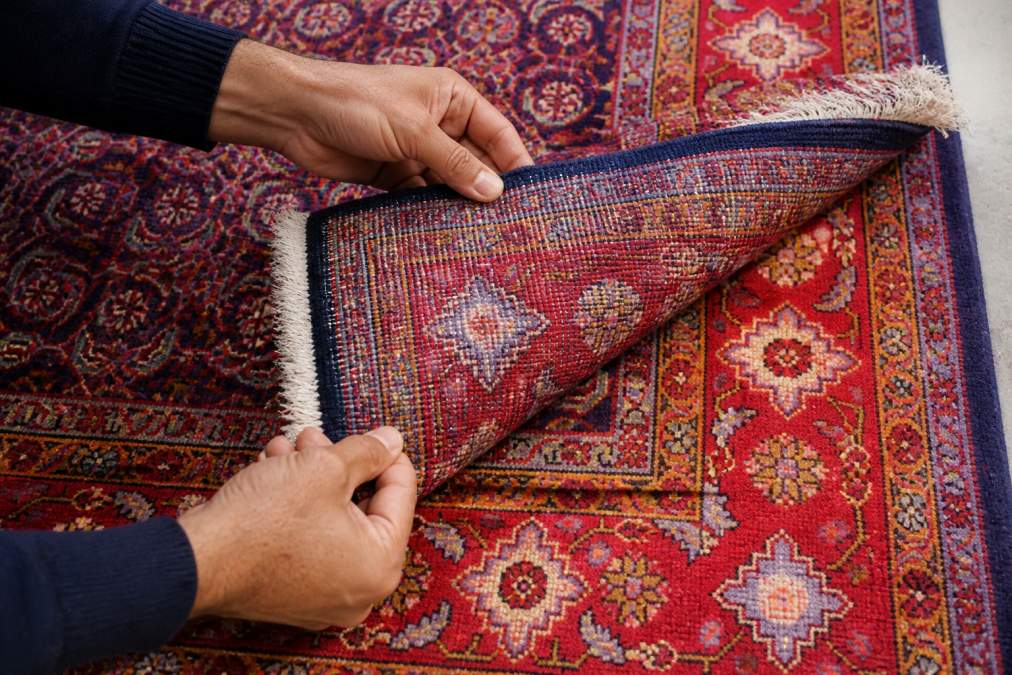
Check the selvage edges (the finished sides of the rug). Handwoven kilims have edges that wrap the warp threads naturally, often with slight variations in width. Machine-made rugs have uniform, perfectly straight edges created by industrial binding equipment. Run your hand along the back, authentic pieces feel textured and organic, while reproductions feel uniform and plastic-like.
Natural dyes create color depth that synthetic dyes can't replicate (peer-reviewed research). Overdyed kilims (pieces that have been re-dyed to update their appearance) show color variation and patina that indicates age and authentic processing. Look for evidence of wear patterns consistent with actual use, fading concentrated in high-traffic areas, not uniform across the entire rug.
The knot density and weave tightness tell a story. Kilims from specific regions have characteristic weave densities developed over generations. A Turkish kilim typically has a different weave pattern than an Afghan piece. Experienced collectors and sellers can identify regional origin partly through these technical details. If a seller can't explain the weaving technique or regional characteristics, that's a red flag.
Ask the seller about provenance. Where did this kilim come from? How old is it? What region? What natural dyes were used? Authentic sellers maintain documentation, even for contemporary pieces, that traces the rug back to the weaver or family workshop.
Kilim Studio: Inventory, Pricing, and Service Model
Kilim Studio focuses on contemporary and vintage kilims with an emphasis on design versatility. Their inventory skews toward pieces that work in modern interiors, geometric patterns, color palettes that complement Scandinavian and Art Deco aesthetics, and reversible kilims that appeal to decorators seeking flexibility.
Pricing at Kilim Studio typically ranges from mid-tier to high-end, depending on age and rarity. Contemporary kilims start lower than antique pieces, making the platform accessible for buyers entering the market. Their selection of overdyed and patchwork kilims attracts interior designers who need distinctive pieces without paying full antique prices.
The platform's strength lies in its curation. Rather than overwhelming you with thousands of options, Kilim Studio maintains a focused inventory of pieces the team has personally vetted. This reduces decision paralysis and signals that someone with expertise has already filtered for quality. Their online presentation emphasizes photography and styling, showing how kilims work in actual living spaces.
Customer service at Kilim Studio operates primarily through online channels. Response times are reasonable, and the team can answer basic questions about care, origin, and design compatibility. However, if you need personalized consultation or have complex requirements, like matching a specific color palette or finding pieces for a large interior project, the service model has limitations.
Shipping policies are straightforward but standard. Return windows are reasonable but not exceptional. For high-value purchases, you're relying on their authentication process and reputation rather than extensive post-purchase flexibility.
Rug and Kilim: What Sets Them Apart
Rug and Kilim positions itself at the premium end of the market with deeper expertise in authentication and provenance documentation. Their inventory includes broader coverage of antique rugs and kilims, with particular strength in rare, historically significant pieces. If you're a serious collector seeking specific regional or period pieces, Rug and Kilim's depth of selection becomes an advantage.
The critical differentiator is authentication rigor. Rug and Kilim provides detailed documentation for their pieces, not just visual inspection notes, but expert analysis of fiber content, dye composition, age indicators, and regional origin. This level of documentation appeals to collectors who view purchases as investments and to interior designers working on high-budget projects where provenance matters.
Pricing reflects this expertise. Antique and rare pieces command premium prices because the authentication work, research, and curation justify the markup. Contemporary kilims are available but represent a smaller portion of their inventory. If you're budget-conscious or shopping for modern pieces, Rug and Kilim may feel expensive for what you're getting. authentic home decor.
Rug and Kilim offers personalized consultation, a meaningful advantage if you're an interior designer managing multiple projects or a collector with specific acquisition goals. The team can help you locate pieces matching particular criteria, advise on investment potential, and provide guidance on care and restoration. This service model costs more but delivers value for serious buyers.
Their wholesale options serve interior design firms and boutique home decor retailers. Bulk order capabilities and consistent inventory availability make them reliable for professionals who need reliable sourcing. Return windows are more flexible than industry standard, reflecting confidence in their authentication and condition assessment.
Kilim Rug Care and Maintenance
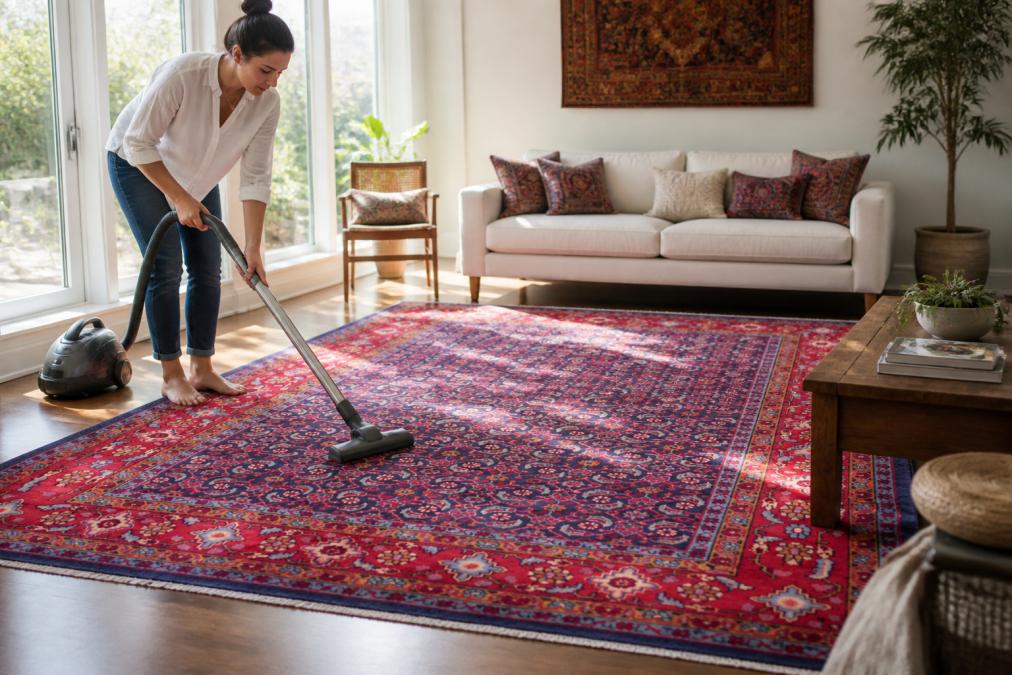
Proper maintenance extends a kilim's lifespan and preserves its aesthetic value. Start with regular vacuuming, flat-weave rugs trap dust in the fibers more readily than pile rugs. Use a vacuum with adjustable height settings and vacuum at low power to avoid pulling threads. Vacuum both sides monthly, or more frequently in high-traffic areas.
Spot cleaning requires care. For fresh spills, blot immediately with a clean, dry cloth, don't rub. For liquid spills, use cold water and a neutral pH cleaner designed for natural fibers. Test any cleaning solution on an inconspicuous corner first. Many kilims use natural dyes that can bleed if exposed to excessive moisture or harsh chemicals. When in doubt, professional cleaning is safer than DIY experimentation.
Rotate your kilim quarterly to ensure even wear. High-traffic areas fade and wear faster than protected zones. Rotating distributes wear patterns and extends the rug's visual balance. Store kilims flat or loosely rolled (never tightly rolled for extended periods) in a cool, dry space away from direct sunlight. Excessive heat and light fade natural dyes and weaken fibers.
Sunlight exposure is the enemy of kilim longevity. Natural dyes fade over time with UV exposure, this is partly why antique kilims develop the patina collectors prize. But accelerated fading from unfiltered sunlight damages contemporary pieces. Use window treatments to filter direct light in rooms where kilims are placed.
Restoration of damaged kilims requires professional expertise. Reweaving sections, addressing fraying edges, or treating stains caused by water damage should be handled by textile conservators who understand traditional techniques and natural dyes. Improper restoration can decrease value and cause irreversible damage.
Which Seller Should You Choose?
The answer depends on your specific needs and priorities.
Choose Kilim Studio if: You're building a collection of contemporary or vintage kilims, you value design versatility and modern aesthetics, you want accessible pricing without sacrificing quality, and you prefer straightforward online shopping without extensive consultation. Interior designers working on mid-range projects often find Kilim Studio's curation and pricing efficient.
Choose Rug and Kilim if: You're a serious collector seeking rare or historically significant pieces, authentication and provenance documentation are non-negotiable, you value personalized consultation and expert guidance, you're an interior designer managing high-budget projects where documentation protects your clients, or you need wholesale pricing and bulk order reliability.
Consider ABC Rugs Kilims & Jewelry if: You want a curated collection combining handmade kilims with expert authentication, you value a platform that serves both collectors and interior designers, you appreciate transparent pricing and reviewed, trusted pieces, and you want access to both retail and wholesale options. ABC Rugs Kilims & Jewelry specializes in providing authentic handwoven rugs with the documentation and service that serious buyers expect. Our team maintains standards that appeal to discerning collectors while remaining accessible to those new to kilim investment. The One Of The Kind Hand-Knotted Persian Wool Rug exemplifies the quality and craftsmanship available, a 10'7" x 7' piece featuring traditional floral patterns, natural vegetable dyes, and authentic artisan construction at $2,336.00.
Conclusion
Kilim studio vs rug and kilim represents a choice between different approaches to the premium rug market. Kilim Studio appeals to design-conscious buyers seeking contemporary pieces and straightforward service. Rug and Kilim serves serious collectors and professionals who need authentication depth and personalized expertise.
The broader landscape includes platforms like Textile Arts Center resources on rug authentication, which provide educational guidance on identifying authentic handwoven pieces. Understanding weaving techniques, natural dyes, and regional characteristics helps you evaluate any seller's claims.
According to the American Rug Importers Association standards, authentication of handwoven textiles requires examination of fiber content, weave structure, and dye composition, not visual assessment alone. Sellers who provide this level of documentation are following industry best practices.
When making your decision, verify that your chosen seller provides clear provenance information, transparent pricing, and realistic assessments of condition. A rug's value depends on authenticity, and authenticity depends on rigorous evaluation. Whether you choose Kilim Studio, Rug and Kilim, or another source, prioritize sellers who can document their claims with specific technical details and regional expertise.
Frequently Asked Questions
What is the difference between a kilim rug and a traditional pile rug?
Kilim rugs are flat-weave textiles with no pile, created by interlocking colored warp and weft threads. Traditional pile rugs have knotted fibers that stand upright, creating thickness and texture. Kilims are reversible, lighter, and often less expensive than knotted rugs, making them ideal for high-traffic areas and contemporary spaces. Both can be handwoven with natural dyes and authentic craftsmanship.
How can I tell if a kilim rug is authentic and handmade?
Authentic handmade kilim rugs show slight irregularities in pattern, color variation from natural dyes, and visible hand-tied knots along the edges. Check the back for consistent weaving patterns and examine fiber content (wool, cotton, silk). Handwoven kilims have uneven selvage edges and may have small imperfections that prove human creation. Reproductions appear too uniform and use synthetic dyes with artificial consistency.
What should I look for when buying a vintage kilim online?
Request detailed photographs of the front, back, and close-ups of the weave. Verify fiber content and origin (Turkish, Persian, Scandinavian, or tribal). Ask about provenance and restoration history. Check return policies and whether the seller guarantees authenticity. Look for sellers offering third-party verification or detailed condition reports. Read customer reviews specifically mentioning accuracy of descriptions and quality upon arrival.
How do I care for and maintain a kilim rug?
Vacuum regularly with a low-suction setting or use a hand broom to avoid pulling fibers. Rotate the rug quarterly to ensure even wear. For spills, blot immediately with a damp cloth and mild soap. Avoid direct sunlight to prevent fading of natural dyes. Professional cleaning every 2-3 years is recommended. Never use harsh chemicals. Store rolled (not folded) in a cool, dry place if not in use.
Ready to invest in authentic handmade kilims? ABC Rugs Kilims & Jewelry combines curated selection with transparent authentication and expert guidance. Browse our collection of handwoven rugs, Persian antique pieces, and contemporary kilims, each reviewed and trusted for quality and craftsmanship. Start exploring pieces that will elevate your space with timeless artistry.
This article was written using GrandRanker


