

Table of Contents
- What You'll Need Before Starting
- Understanding Your Handmade Persian Jewelry
- Step-by-Step Cleaning Handmade Silver Jewelry
- How to Remove Tarnish from Filigree Jewelry
- Storing Vintage Artisan Jewelry Properly
- Handling Delicate Gemstones and Special Materials
- Travel Care and Daily Wear Protection
- Common Mistakes to Avoid
Last Updated: August 23, 2026
What You'll Need Before Starting
Gather a soft-bristled toothbrush (reserved for jewelry), lukewarm water, mild dish soap, microfiber cloths, and silica gel packets for storage. Distilled water is preferable for gemstones, as tap water leaves mineral deposits. Set up a dedicated cleaning station away from high-traffic areas, and choose a moment when you're not rushed, proper care takes 15-30 minutes and requires patience.
Understanding Your Handmade Persian Jewelry
Handmade Persian jewelry combines metalwork with construction methods that differ significantly from mass-produced pieces. Understanding your piece's composition determines which cleaning methods are safe.
Silver and Gold Filigree Construction
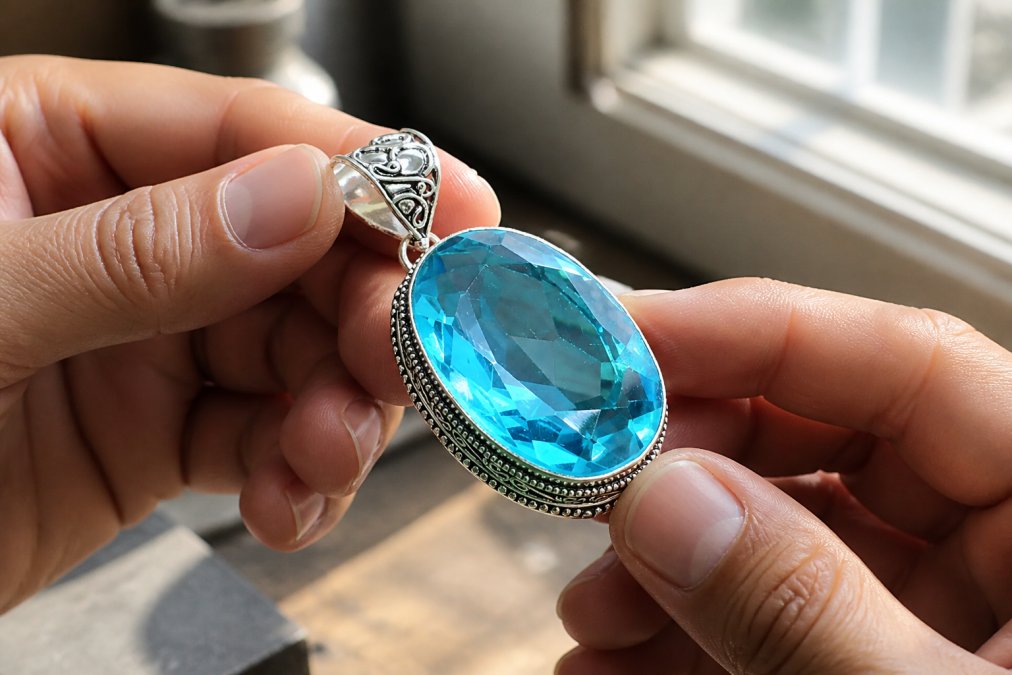
Persian filigree uses thin, twisted metal threads soldered together to create delicate, lace-like patterns. The fine wires are vulnerable, they can bend or break under pressure, and the soldered joints connecting them are weak points. Silver filigree is particularly susceptible to tarnish, the dark discoloration from oxidation. Gold resists tarnish better but accumulates dust and oils that dull its shine.
Gemstone and Delicate Elements
Many handmade Persian pieces incorporate gemstones like turquoise, lapis lazuli, carnelian, or topaz. These materials are softer and more porous than diamonds, porous stones absorb water, oils, and cleaning solutions, causing discoloration or structural damage. Turquoise ranks 5-6 on the Mohs hardness scale, making it vulnerable to scratching (usgs.gov). Some pieces feature enamel work, which can chip, crack, or fade if exposed to harsh chemicals or extreme temperature changes. Never move a piece from hot water to cold water, as expansion and contraction can damage enamel surfaces.
Step-by-Step Cleaning Handmade Silver Jewelry
Preparing Your Cleaning Station
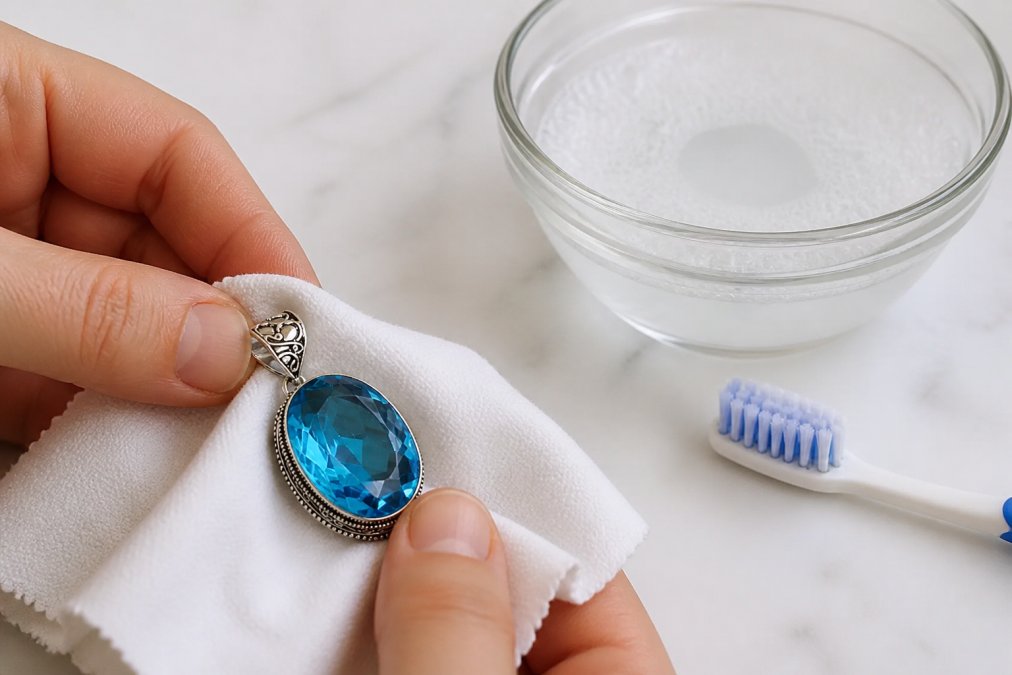
Set up your workspace on a soft surface, a towel, microfiber cloth, or soft mat prevents pieces from bouncing or rolling if dropped. Have all supplies within arm's reach: mild dish soap, lukewarm water, soft-bristled toothbrush, microfiber cloths, and a small bowl. Fill the bowl with lukewarm water and add a few drops of mild dish soap. Test the temperature with your wrist first, hot water can damage enamel, loosen gemstone settings, and accelerate oxidation. Never use a sink; a contained bowl keeps your jewelry visible and secure.
The Gentle Soak and Rinse Process
Place your piece in soapy water and soak for 3-5 minutes to loosen surface dust, oils, and light tarnish (the American Academy of Dermatology). Use your soft-bristled toothbrush with gentle, directional strokes along the filigree wires rather than across them. For areas with gemstones, brush around the stones, not over them. Spend 1-2 minutes on this step. Rinse thoroughly under lukewarm running water, ensuring no soap residue remains, as it will dull the shine.
Drying and Final Polish
Pat the piece dry immediately with a microfiber cloth, don't rub, just pat gently. Leave it on a clean, dry microfiber cloth for 10-15 minutes to air dry completely. Once fully dry, use a clean section of microfiber cloth to gently polish the piece, removing water spots and restoring shine. Store the cleaned piece immediately in a dry environment.
How to Remove Tarnish from Filigree Jewelry
Preventing Tarnish and Oxidation
Prevention is easier than removal. Store handmade Persian jewelry in a cool, dark environment away from direct sunlight and humidity. Anti-tarnish strips absorb sulfur compounds and other oxidizing agents; replace them every 6 months or when they turn dark. Avoid storing jewelry in bathrooms, kitchens, or other high-humidity areas. Remove jewelry before applying perfumes, lotions, hairspray, and cleaning products, as these accelerate oxidation.
Safe Tarnish Removal Methods
For light surface tarnish, the gentle cleaning method often removes it entirely. If tarnish persists, create a paste using baking soda and a small amount of lukewarm water. Apply it to tarnished areas using your soft-bristled toothbrush, working gently along the filigree wires for 1-2 minutes, then rinse thoroughly and dry completely. For heavy tarnish, consult a professional jeweler rather than risk damaging the delicate structure. Never use commercial tarnish removal solutions, aluminum foil methods, or electrolytic cleaning on handmade Persian jewelry.
Storing Vintage Artisan Jewelry Properly
Choosing the Right Storage Environment
Your storage environment should be cool, dark, and dry with stable temperature. Avoid areas near heating vents, air conditioning units, or windows where temperature fluctuates. Darkness is essential, sunlight accelerates oxidation and can fade certain gemstones. Aim for relative humidity between 30-50% (si.edu). If you live in a humid climate, use silica gel packets in your storage container, replacing them every 3-6 months.
Organizing Your Jewelry Box
Use a compartmentalized jewelry box where each piece has its own section, preventing pieces from rubbing together and scratching. Wrap delicate pieces individually in soft cloth or acid-free tissue paper. Include anti-tarnish strips in your storage container, replacing them every 6 months. Label compartments to prevent unnecessary handling when searching for a specific piece.
Handling Delicate Gemstones and Special Materials
Turquoise and lapis lazuli are porous stones that absorb water, oils, and cleaning solutions. Minimize water exposure during cleaning and limit soaking to 1-2 minutes maximum. Ensure these stones are completely dry after cleaning. Carnelian and other semi-precious stones are more durable but require gentle handling and should never experience sudden temperature changes. Enamel work is particularly fragile, stick to basic gentle cleaning methods and avoid baking soda paste on enameled surfaces. Pearls should be gently wiped with a barely damp microfiber cloth and dried immediately. For any piece with uncertain gemstone composition, use the most conservative approach: gentle soaking, soft brushing, thorough rinsing, and immediate drying.
Travel Care and Daily Wear Protection
Pack handmade jewelry in a dedicated travel case with compartments, wrapping each piece individually in soft cloth. Keep it in your carry-on bag, not checked luggage. Avoid chlorinated pools, salt water, and hot tubs, which accelerate tarnish and damage gemstones. Remove jewelry before showering, applying lotions or perfumes, exercising, or doing household chores. After wearing jewelry, wipe it with a dry microfiber cloth before storing it. If you wear a piece regularly, plan for more frequent cleaning every 2-4 weeks rather than monthly or quarterly.
Common Mistakes to Avoid
Never use commercial jewelry cleaning solutions designed for solid jewelry, they're too harsh for filigree work. Avoid ultrasonic cleaners and steam cleaners entirely; they can shatter delicate gemstones and damage filigree structures. Use only a soft-bristled brush designated for jewelry, not a regular toothbrush. Avoid storing jewelry in plastic bags or regular containers, which trap moisture and accelerate tarnish. Don't expose jewelry to direct sunlight or heat sources. Never force a piece into storage, and avoid wearing handmade Persian jewelry during high-impact activities. Don't attempt repairs yourself unless professionally trained, consult a jeweler specializing in handmade work.
Caring for handmade Persian jewelry is a commitment to preserving artistry and history. These pieces represent centuries of craftsmanship and deserve maintenance that honors that heritage. The methods outlined here, gentle cleaning, proper storage, and mindful handling, protect your investment while ensuring your jewelry remains beautiful for generations. At ABC Rugs Kilims & Jewelry, we curate collections of authentic handmade jewelry and recognize that proper care is essential to preserving their beauty and integrity. For pieces requiring professional restoration or if you're unsure about caring for a specific item, consult a jeweler specializing in handmade work. When you're ready to add to your collection, explore our selection of authenticated handmade Persian jewelry, each piece comes with the knowledge and support to care for it properly. Consider our Exceptional Quality Blue Topaz Gemstone Handmade 925 Sterling Silver Jewelry Pendant Sz-2.2'' Cus-Jew144 for $296.00, an authentic, handmade piece with an accompanying certification, available at https://abcrugskilims.com/products/blue-topaz-gemstone-handmade-925-sterling-silver-jewelry-pendant-sz-2-2.

Frequently Asked Questions
What is the best homemade cleaner for handmade Persian silver jewelry?
Mix lukewarm water with a few drops of mild dish soap in a shallow bowl. This gentle solution safely removes dirt and oils without damaging delicate filigree or gemstones. Avoid harsh chemicals, vinegar, and alcohol, which can strip protective coatings or damage natural stones. Soak your jewelry for 5-10 minutes, then gently brush with a soft-bristled toothbrush before rinsing thoroughly with clean water and patting dry with a microfiber cloth.
How should I store delicate Persian jewelry to prevent tarnishing?
Store handmade Persian jewelry in a cool, dark, and dry environment away from direct sunlight and humidity. Use an airtight container or compartmentalized jewelry box lined with anti-tarnish strips or silica gel to absorb moisture. Keep pieces individually wrapped in soft cloth or acid-free tissue to prevent scratching. Avoid storing jewelry in bathrooms where humidity and temperature fluctuate, as this accelerates oxidation and tarnish formation.
Can I use ultrasonic cleaners on handmade Persian jewelry?
No. Ultrasonic cleaners generate vibrations that can loosen delicate filigree work, crack gemstones, or damage intricate artisan details. Handmade Persian jewelry requires gentle, manual cleaning methods only. Stick to soft-bristled brushes, lukewarm soapy water, and microfiber cloths to preserve the craftsmanship and structural integrity of your pieces.
How often should I have my handmade jewelry professionally inspected?
It is generally recommended to have handmade Persian jewelry professionally inspected periodically, especially if worn regularly. A jeweler can check for loose stones, worn prongs, weakened filigree connections, and early signs of damage. Professional inspection can help catch problems early, potentially preventing costly repairs and extending your jewelry's longevity.
This article was written using GrandRanker


