

Last Updated: November 16, 2026
Quick Summary
To tell real silver jewelry from fakes, first look for a crisp 925 or sterling stamp pressed into the metal, then confirm it with behavior checks like a magnet that slides off and a clear, bell-like ring. No single at-home test proves real silver, so stack several and treat the piece as unverified until a professional confirms it when the stakes are high.
- Sterling silver is an alloy of 92.5 percent silver and 7.5 percent other metals, usually copper.
- A real hallmark is pressed or engraved into the piece, not painted on top.
- Plated pieces show base metal at high-wear points like ring edges, clasp tips, and pendant backs.
- The magnet test can only rule metal out, never in, because brass and copper are also nonmagnetic.
- For valuable or delicate pieces, ask a jeweler for a non-destructive X-ray fluorescence reading in writing.
Table of Contents
- Why Real Silver Jewelry Is Worth Checking Before You Buy
- How to Identify 925 Sterling Silver by Its Hallmarks
- How to Tell Sterling Silver from Silver-Plated Jewelry
- Is Real Silver Magnetic? What the Magnet Test Proves
- How to Test Silver with Vinegar and Other At-Home Checks
- What Each Test Can and Cannot Prove
- When Tests Disagree: Safe Next Steps for Valuable or Delicate Pieces
- Shopping Our Verified 925 Silver Pieces with Confidence
- Frequently Asked Questions
Why Real Silver Jewelry Is Worth Checking Before You Buy
Learning how to tell real silver jewelry from fakes takes about ten minutes of practice, and it can save you from paying sterling prices for plated metal. That habit matters because silver is one of the most counterfeited jewelry metals sold online and at flea markets.
Sterling silver is an alloy of 92.5 percent silver and 7.5 percent other metals, usually copper. The copper adds strength, since pure silver is too soft for daily wear.
Why bother checking at all? Three reasons:
- Price honesty. A plated piece costs a fraction of a solid sterling one. You should pay accordingly.
- Skin reactions. Base metals under plating, often nickel or brass, can irritate sensitive skin once the plating wears.
- Resale and care. Solid silver can be polished, resized, and passed down. Plated pieces cannot.
If you are weighing a purchase against its long-term value, our guide on whether buying vintage jewelry is a good investment walks through what holds value and what does not.
How to Identify 925 Sterling Silver by Its Hallmarks
The fastest way to identify 925 sterling silver is to find the stamp. Look for "925," "sterling," or "ster." stamped into the metal itself. A real hallmark is pressed or engraved into the piece, not painted on top.
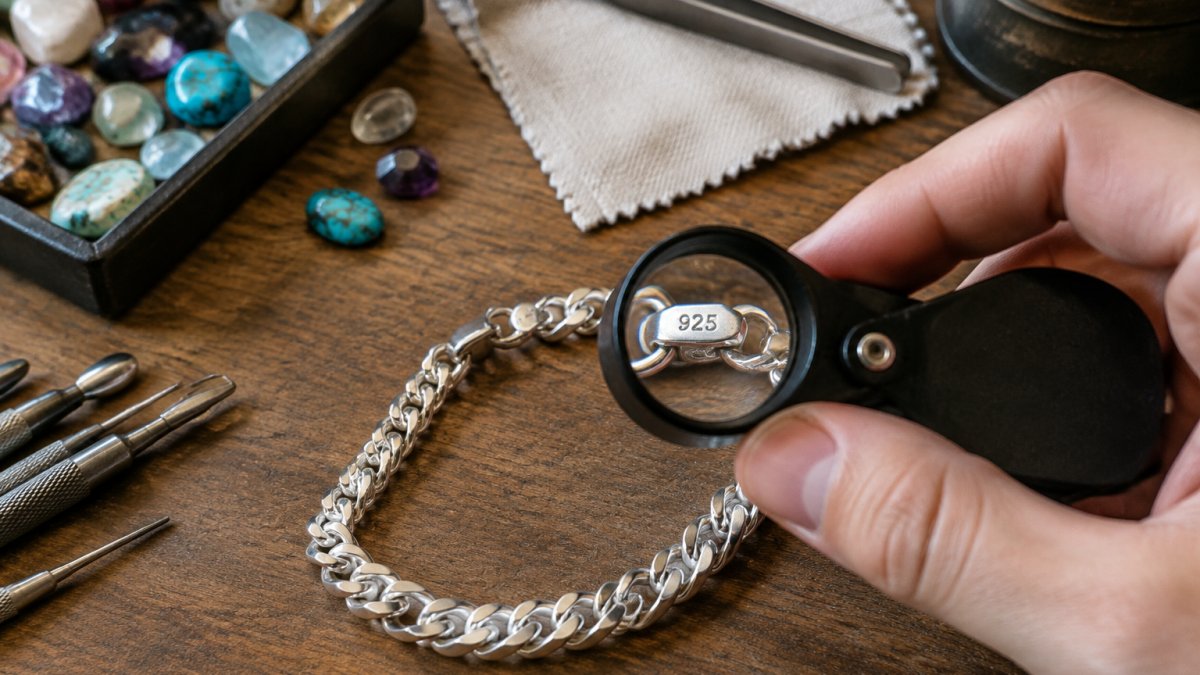
Here is what the common marks mean:
| Stamp | What It Means |
|---|---|
| 925 | 92.5% silver content, the sterling standard |
| Sterling | Same as 925, spelled out |
| 800 | 80% silver, common in older European pieces |
| 999 or Fine | 99.9% silver, very soft, rarely used in jewelry |
| EP, EPNS, or Silver Plate | Plated base metal, not solid silver |
A stamp is strong evidence, but it is not proof. Counterfeiters stamp "925" on plated brass regularly.
Where to Look for Stamps on Rings, Chains, and Clasps
Stamps hide in tight spots. On rings, check the inside of the band. On chains, look at the clasp and the small tag beside it.
Bring a loupe or use your phone's zoom. Stamps are often tiny and worn smooth by years of wear.
Clasps deserve extra attention on antique pieces. Our antique silver clasp necklace buying guide covers the clasp styles and marks that show up most often on older chains.
Fake Hallmarks and Misleading Stamps to Watch For
Watch out for stamps that look off. A real hallmark is crisp and evenly struck. A faked one often looks shallow, uneven, or slightly blurred at the edges.
Red flags include:
- "925" stamped on a piece that feels too light for its size
- Stamps on the surface only, with no depth
- A "sterling" mark on a piece with visible copper or brass showing at the edges
How to Tell Sterling Silver from Silver-Plated Jewelry
Telling sterling silver from silver-plated jewelry comes down to what sits under the surface. Sterling is silver all the way through.
| Category | What It Is | Typical Markings | What It Means for You |
|---|---|---|---|
| Fine silver | 99.9% silver, essentially unalloyed | 999, fine silver | Too soft for most daily-wear jewelry; bends and scratches easily |
| Sterling silver | 92.5% silver, 7.5% copper or other metals | 925, sterling, ster | Solid silver alloy; can be polished, resized, and repaired |
| Silver plate | A microscopic silver layer over base metal | EP, EPNS, silver plate, silver on copper | The silver layer wears through; base metal shows at high-wear points |
| Silver-filled | A thicker silver layer mechanically bonded to a base core | 925, sterling, silver filled, or no standard mark | More silver than plating but still a layer over a core; not solid sterling |
The wear patterns give plating away. Plated pieces show their base metal at the spots that rub most: ring edges, clasp tips, and the back of pendants.
Weight helps too. Sterling feels denser in the hand than a plated piece of the same size.
Checking Clasps, Solder Joints, and Worn Edges
Jewelry-specific inspection beats any single test. Check these three spots:
- Clasps. Springs and hinges wear first. A plated clasp often shows base metal at the hinge. On a lobster clasp, open and close it a few times and look at the pivot.
- Solder joints. Real silver solder matches the piece. A bright, mismatched seam suggests repair or plating. On chains, check where the end caps meet the links.
- Worn edges. High points on a ring or the tip of a chain rub against skin and clothing all day. That is where plating fails first. Hold the piece at an angle to a window and look for a color shift along the edge.
A common mistake is judging a piece by its shine alone. Fresh plating looks identical to polished sterling for the first few months. The difference shows up at the wear points, not on the flat surfaces.
Is Real Silver Magnetic? What the Magnet Test Proves
Real silver is not magnetic. A strong magnet should slide off sterling silver with no pull at all. If a piece grabs the magnet, it contains iron, steel, or nickel.
But here is the catch most guides skip: the magnet test can only rule metal out, never in. Brass, copper, and aluminum are also nonmagnetic.
Use a strong neodymium magnet, not a fridge magnet. A weak magnet will not reveal much.
How to Test Silver with Vinegar and Other At-Home Checks
Testing silver with vinegar is a simple, low-risk check you can do at home. Place a drop of white vinegar on a hidden spot and wait a few minutes. Real silver stays largely unchanged. A plated or fake piece may turn greenish or leave a dull mark.
Keep these limits in mind:
- Vinegar is mild. It will not damage sterling, but wipe it off afterward.
- A negative result is not final proof either way.
- Never use vinegar on pieces with pearls, opals, or glued settings.
The Ring Test, the Ice Test, and the Soft Cloth Check
Three more at-home checks round out the toolkit:
- Ring test. Tap the piece gently against a hard surface. Sterling gives a clear, bell-like ring. Plated or base metal sounds dull and flat.
- Ice test. Silver conducts heat fast (Silver Statistics and Information). An ice cube placed on real silver melts faster than on most other metals.
- Soft cloth check. Rub the piece with a white polishing cloth. Sterling leaves a little black residue, which is normal tarnish coming off. No residue at all on a dull piece can suggest plating.
For engraved pieces, our guide on choosing engraved sterling silver jewelry well explains how to inspect detail work without harming the finish.
What Each Test Can and Cannot Prove
No single at-home test confirms real silver on its own. Each one narrows the field, and some narrow it much more than others.
| Test | Proves | Cannot Prove | Confidence |
|---|---|---|---|
| Hallmark | Likely sterling if genuine and correctly placed | Rules out a fake stamp | High, if the mark is crisp and consistent with the piece |
| Magnet | Rules out magnetic base metals such as iron, steel, and nickel | Confirms silver; brass, copper, and aluminum are also nonmagnetic | Low |
| Ring test | Suggests solid metal with a clean structure | Distinguishes sterling from plate or silver-filled | Low to moderate |
| Ice test | Suggests high thermal conductivity | Confirms silver content; other metals conduct heat too | Low |
| Vinegar | Flags some base metals that react | Confirms sterling | Low |
| Soft cloth | Shows tarnish behavior consistent with silver | Confirms purity | Low to moderate |
| Professional X-ray fluorescence | Reads metal composition without touching the surface | Tells you nothing about age, maker, or stone quality | High for metal content |
The strongest read comes from stacking several tests. Hallmark plus weight plus a clean ring plus black residue on the cloth is a solid case for sterling.
A useful way to think about it: hallmarks and professional instruments are evidence about composition, while the magnet, ring, ice, vinegar, and cloth checks are evidence about behavior.
What to Do When Tests Disagree
Tests disagree more often than guides admit, usually because a piece is plated over a nonmagnetic base metal or because a genuine piece is dirty, repaired, or worn. Work through the conflict in this order:
- Recheck the hallmark first. Clean the stamp area with a soft cloth and look again under magnification. A mark you missed changes the picture more than any home test.
- Weigh the evidence by confidence, not by count. One crisp, correctly placed hallmark outweighs three low-confidence behavior tests.
- Look for a physical explanation. A dull ring on a sterling chain often means a loose link or a solder repair, not fake metal. A magnet that pulls slightly can mean a steel clasp spring on an otherwise sterling piece.
- Stop and escalate when the stakes are high. If the piece is expensive, antique, gemstone-set, or delicate, do not keep testing. Acid and scratch tests leave permanent marks.
Watch out: repeated acid testing on the same spot can pit the surface and remove the very hallmark you are trying to verify, so test once at most and only on a hidden area.
For high-stakes pieces, a jeweler using X-ray fluorescence can read the metal composition without touching the surface. Ask for the reading in writing if you plan to buy or insure the piece.
When Tests Disagree: Safe Next Steps for Valuable or Delicate Pieces
Stop testing when the piece is valuable, antique, gemstone-set, or delicate. Acid testing and scratch testing leave marks.
For these pieces, take the item to a professional jeweler. Ask for a non-destructive check.
If tests disagree and the stakes are high, treat the piece as unverified until a jeweler confirms it. That is the honest position, and it protects your wallet.
Shopping Our Verified 925 Silver Pieces with Confidence
Two examples from our current stock:
- The Exceptional Quality Silver 925 with GemCZ Fashion stone, 4.2 grams, priced at $199.00.
- The Exceptional Quality Silver 925 with Gem Sapphire, 2.4 grams, also $199.00.
For buyers who want extra assurance, we can arrange GIA certification and verification for vintage jewelry, diamonds, and gemstones.
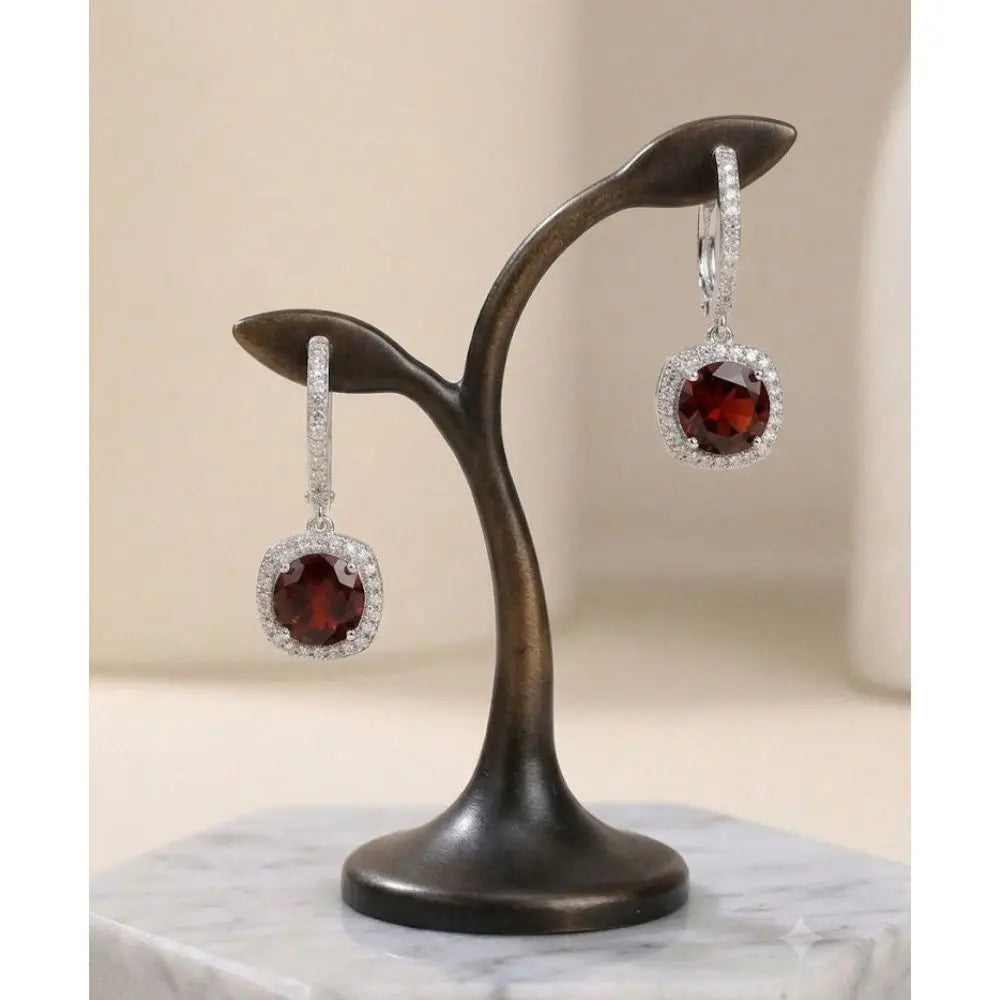
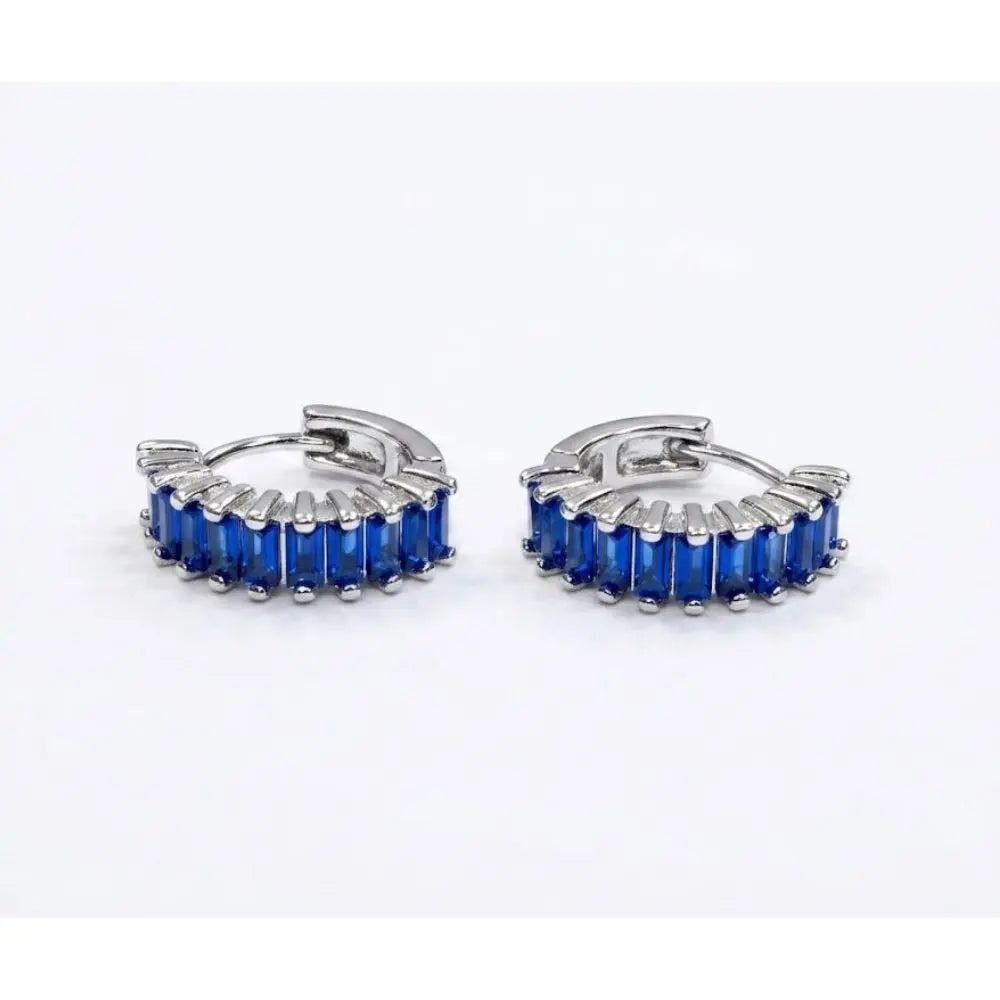
If you want a stamped, verified ring to practice these checks on, start with the White Lab Opal Oval Heart Cutout Ring in 925 sterling silver.
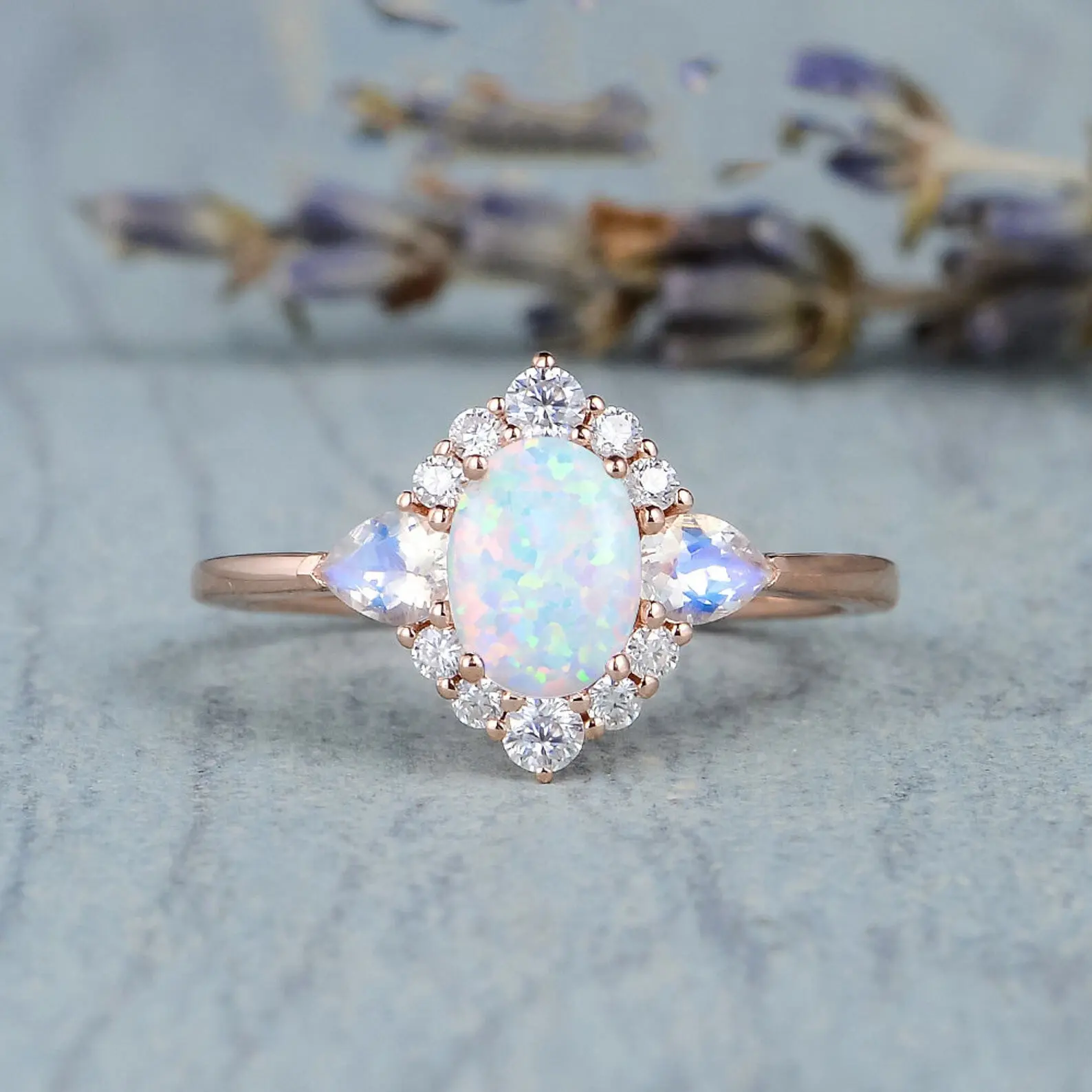
Knowing how to tell real silver jewelry apart from fakes protects every purchase you make, whether it comes from us or anywhere else.
Frequently Asked Questions
Can fake silver still have a 925 stamp on it?
Yes. A 925 stamp is a claim, not a guarantee, and counterfeiters copy it onto plated and base metal pieces regularly. Treat the stamp as one piece of evidence, then confirm it with a magnet test, a close look at clasps and worn edges, and a check for plating wear. If the stamp looks uneven, shallow, or sits on a piece that is suspiciously light for its size, get a second opinion from a jeweler before you pay collector prices.
Is real silver magnetic?
Real silver is nonmagnetic, so a strong magnet should not pull on a sterling piece. That said, a magnet test only rules things out. A piece that fails to stick could still be silver-plated brass, copper, or stainless steel, all of which are also nonmagnetic. Use the magnet as a quick filter for obvious fakes, not as proof of authenticity, and pair it with a hallmark check and a visual inspection.
How can I tell sterling silver from silver-plated jewelry?
Look at the wear points first. On plated jewelry, the thin silver layer rubs away at high-friction spots like clasp edges, ring bands, and chain links, exposing a different color underneath, often brass yellow, copper red, or dull gray. Sterling is the same metal all the way through, so wear shows as tarnish, not a color change. A jeweler can also confirm plating with a loupe or a non-destructive test.
Should I take silver jewelry to a jeweler for testing?
For valuable, antique, gemstone-set, or delicate pieces, yes. A jeweler can inspect hallmarks under magnification, check solder joints and clasps, and use non-destructive methods that will not scratch or damage the piece. Avoid acid and scratch tests on anything you care about, since both leave marks. If you want paperwork, ask about grading and certification, which is priced separately from the piece itself.


